
AirPods Pro 2 vs. Sony WF-1000XM5: Which Should You Buy?
Choosing between Apple and Sony's flagship earbuds? We compare noise cancellation, sound profile, comfort, and OS integration to help you pick the right pair.
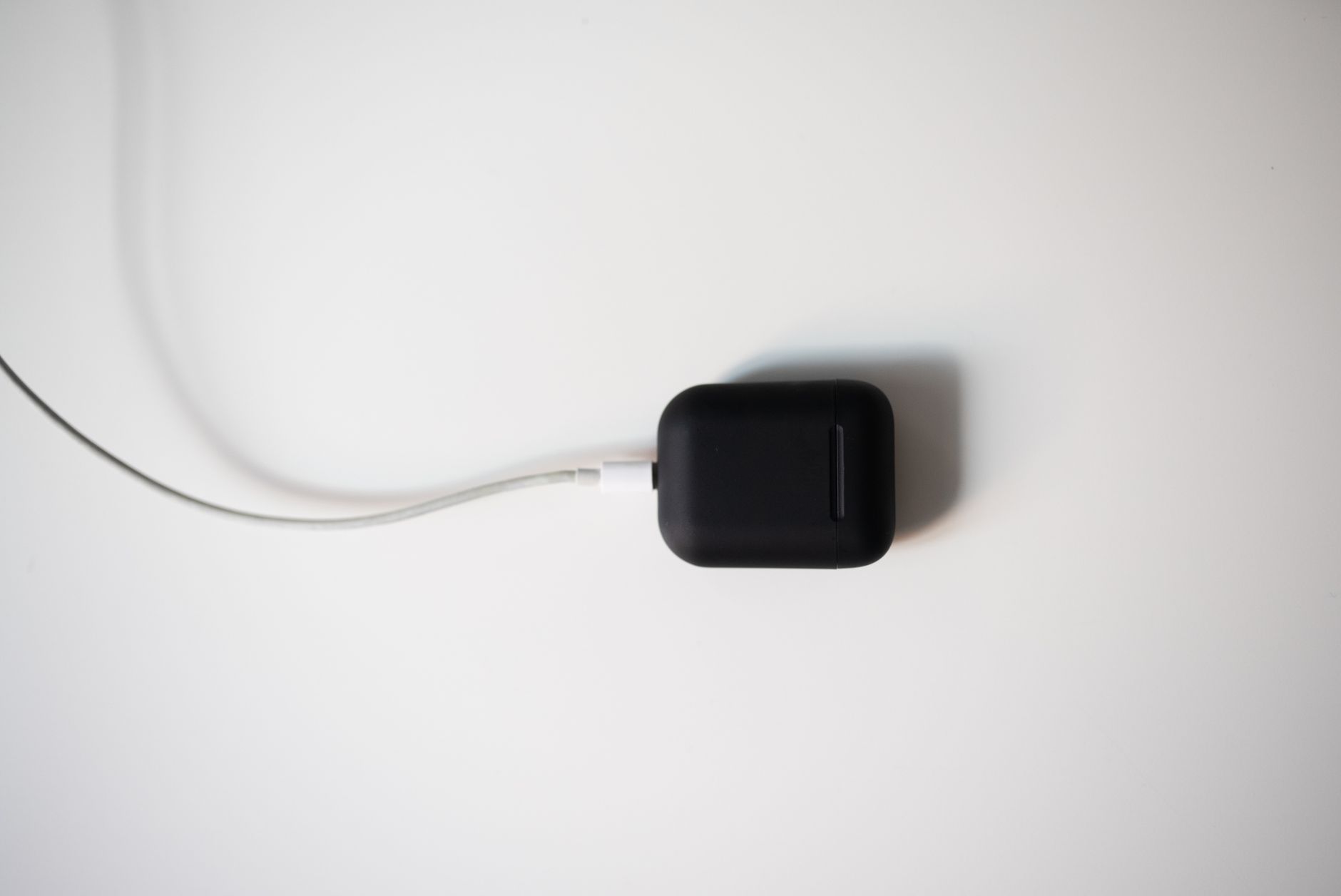
If you commute daily or spend hours on flights, picking between the AirPods Pro 2 and the Sony WF-1000XM5 usually comes down to the smartphone in your pocket and how you like your earbuds to fit. Both occupy the premium end of true wireless earbuds, delivering industry-leading active noise cancellation, top-tier sound, and pocketable charging cases.
For iPhone owners, the seamless integration, effortless device switching, and class-leading transparency mode of the AirPods Pro 2 make them the obvious default choice. However, if you carry an Android phone, demand high-resolution Bluetooth codecs like LDAC, or want full control over your audio profile through a dedicated equalizer, the Sony WF-1000XM5 holds a distinct edge.
This side-by-side comparison breaks down how these two class leaders stack up in real-world situations, from crowded train platforms to long-haul flights, so you can spend your money wisely.
AirPods Pro 2 vs Sony WF-1000XM5: Quick Comparison
| Feature | Apple AirPods Pro 2 (USB-C) | Sony WF-1000XM5 |
|---|---|---|
| Ear Tip Material | Silicone (4 sizes: XS, S, M, L) | Polyurethane foam (4 sizes: SS, S, M, L) |
| Noise Cancellation | Apple H2 Chip, Active ANC, Adaptive Audio | Integrated Processor V2 + QN2e dual chips |
| High-Res Codec Support | AAC, SBC | LDAC, AAC, SBC, LC3 (ready) |
| Battery Life (Earbuds / Total with Case) | Up to 6 hours (ANC on) / 30 hours total | Up to 8 hours (ANC on) / 24 hours total |
| Water Resistance | IP54 (earbuds and charging case) | IPX4 (earbuds only) |
| Companion App | Built into iOS Settings (No native Android app) | Sony Headphones Connect (iOS and Android) |
| Charging Options | USB-C, MagSafe, Apple Watch charger, Qi | USB-C, Qi wireless charging |
Design, Fit, and Daily Comfort Compared
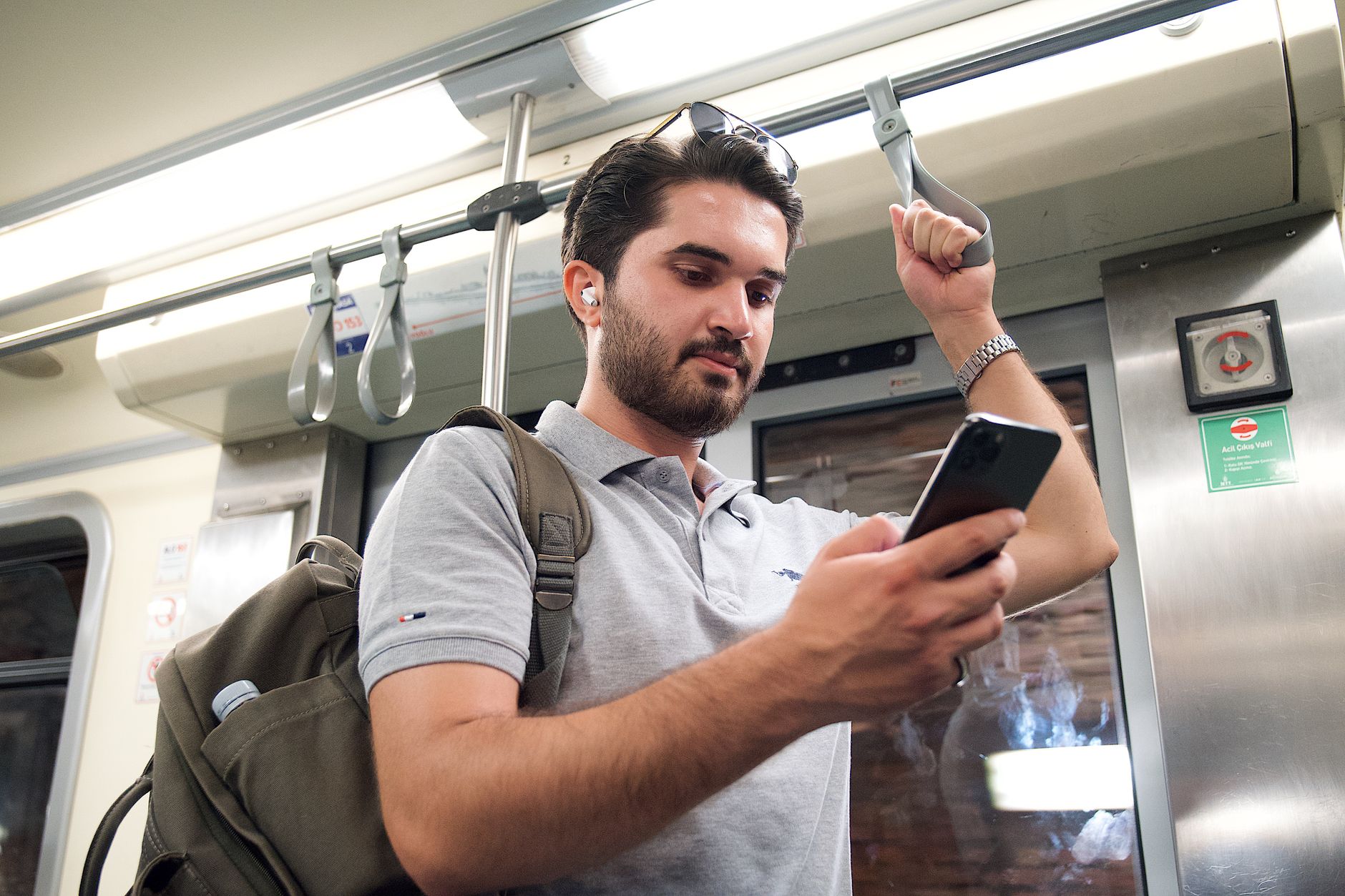
Photo by iam hogir on Pexels
Comfort and physical stability depend heavily on how each manufacturer approaches ear tips. Apple sticks with traditional oval silicone tips that snap onto the nozzle. Because the earbud stem points downward, weight distributes evenly along your concha and ear canal. A built-in vent system actively balances pressure, which eliminates the plugged-up feeling common with deep-insertion earphones. If you experience ear fatigue easily, the AirPods Pro 2 are remarkably easy to wear for an entire workday.
Sony uses hybrid polyurethane memory foam tips on the WF-1000XM5. These require a slightly different approach: you gently compress the foam, insert the earbud, and let the material expand to fill your canal. This creates a dense, airtight mechanical seal that isolates outside noise passively before active cancellation even kicks on. The trade-off is physical pressure. Some listeners love the locked-in, secure grip—especially on bumpy train rides—while others find the expanding foam fatiguing after two or three hours.
The WF-1000XM5 earbuds are significantly smaller and sleeker than the previous generation WF-1000XM4, featuring a glossy outer edge and matte touch surfaces. While the reduction in volume improves fit for smaller ears, the smooth plastic can make them slippery to pull out of the case with dry fingers. The AirPods Pro 2 use physical force-sensor pinches along the stem, virtually eliminating the accidental track skips that can happen when adjusting Sony's tap-sensitive touchpads.
Active Noise Cancellation and Transparency Modes
Both pairs sit at the absolute pinnacle of consumer noise cancellation, but they tackle ambient noise through slightly different strengths.
The AirPods Pro 2 rely heavily on the Apple H2 chip's computational processing. They are exceptionally effective at eradicating dynamic mid-range noise, such as human voices in an open-plan office or the clatter of a cafe. Apple also includes Adaptive Audio, which shifts seamlessly between full cancellation and transparency based on environmental volume shifts. When someone speaks to you, Conversation Awareness drops your playback volume and emphasizes the speaker's voice automatically.
The Sony WF-1000XM5 combines dual processors—the V2 and the dedicated QN2e noise-canceling chip—with three microphones per earbud. Paired with those dense foam tips, Sony edges ahead at dampening low-frequency rumbles, such as the droning hum of an airplane jet engine or heavy rail vibrations. If your daily travel involves subway tunnels or older aircraft, the WF-1000XM5 creates an astonishingly quiet bubble.
Transparency mode is where Apple remains unmatched. The AirPods Pro 2 pass ambient audio through so naturally that you can easily forget you are wearing earbuds. Voices sound uncolored, your own voice does not boom inside your head, and spatial awareness remains intact. Sony's ambient sound mode is functional and clear enough for quick interactions, but it retains a subtle artificial hiss and occasional wind rustle that Apple manages to filter out.
Sound Quality and Audio Customization
Out of the box, Apple and Sony target different sonic profiles.
The AirPods Pro 2 feature an approachable, balanced frequency response. Bass hits with punch and low-end extension without muddying vocals, the mid-range remains clear, and the treble avoids harshness. However, Apple offers zero native graphic equalizer adjustments. Aside from basic accessibility options and Adaptive EQ—which adjusts the sound curve to the shape of your ear canal in real time—you cannot manually tweak the sound signature unless you rely on third-party music player settings.
Sony equips the WF-1000XM5 with larger Dynamic Driver X units and support for Sony's proprietary LDAC codec, which streams significantly higher bitrates on compatible Android devices than standard AAC. The default sound profile leans warm, rich, and energetic, with deep sub-bass and crisp instrument separation. Through the Sony Headphones Connect app, you get access to a full 5-band manual equalizer, customizable sound presets, and the 'Clear Bass' slider. Audiophiles who love tuning their headphones to specific genres will appreciate the depth of customization Sony provides.
Call Quality and Microphones in Noisy Environments
Call clarity is essential for commuters taking meetings on transit platforms or breezy streets. Both manufacturers use bone conduction sensors and beamforming microphones backed by computational noise suppression algorithms to separate speech from background racket.
The stem design on the AirPods Pro 2 positions the primary microphones slightly closer to your mouth. In quiet and moderately noisy environments, speech sounds clean, natural, and open. When extreme background noise hits—such as a screaming subway wheel or strong gusts—Apple's noise suppression aggressively cuts background clatter, though it can cause your voice to sound slightly muffled or robotic for brief moments.
Sony incorporates an AI-powered noise-reduction algorithm based on deep neural network (DNN) processing alongside bone conduction sensors. The WF-1000XM5 excels at cutting out wind noise thanks to a fine mesh screen covering the internal mic chambers. Voice pickup is clear, though it tends to sound a bit more processed and compressed compared to the AirPods Pro 2 during quiet indoor calls.
Battery Life and Charging Case Features
Long battery life is critical for international travel, and here the two flagships trade advantages depending on whether you count single-charge longevity or total case backup.
- AirPods Pro 2: Deliver up to 6 hours of continuous listening on a single charge with ANC turned on. The charging case holds an additional 24 hours of power, yielding roughly 30 hours total.
- Sony WF-1000XM5: Provide up to 8 hours of continuous listening with ANC enabled, or up to 12 hours with ANC off. The charging case holds around 16 additional hours, providing a total of 24 hours with ANC.
If you frequently embark on continuous flights lasting over six hours without wanting to tuck your earbuds away to recharge, Sony takes the win. But Apple's case offers superior everyday convenience. The AirPods Pro 2 case features a built-in U1 chip for Precision Finding through the Apple Find My network, a built-in speaker that chirps when misplaced, an integrated lanyard loop, and IP54 dust and splash resistance. It also charges flexibly via USB-C, Apple Watch pucks, MagSafe, or standard Qi mats. Sony's case is compact and supports USB-C and standard Qi wireless charging, but lacks a locator speaker, ultra-wideband tracking, and water-resistance ratings.
Ecosystem Perks: iOS vs. Android Features
Your smartphone operating system should play a decisive role in this purchase.
The AirPods Pro 2 operate as an integrated extension of iOS. Pairing requires simply opening the lid near an iPhone. Audio handoff between an iPhone, iPad, Mac, and Apple TV happens automatically. You also get Personalized Spatial Audio with dynamic head tracking, Siri hands-free voice controls, and hearing protection features built directly into system menus. However, on an Android device, the AirPods Pro 2 lose almost all advanced functionality: no app, no firmware updates, no battery percentage pop-ups, and no spatial audio.
In contrast, the Sony WF-1000XM5 is platform-agnostic. The Sony Headphones Connect app runs identically on both iOS and Android. On Android, you benefit from Google Fast Pair, multipoint Bluetooth connection to two devices simultaneously across different operating systems (such as a Windows laptop and a Google Pixel phone), and LDAC support for high-bitrate local audio. Sony earbuds deliver their full suite of features regardless of which phone you upgrade to down the road.
If you are also evaluating everyday travel gear like portable reading devices for your travels, take a look at our comparison of the Kindle Colorsoft vs. Kobo Libra Colour to complete your commuter setup.
Which Should You Buy?
Both pairs deliver an elite listening experience, but their differences make them tailored for different owners.
Choose the Apple AirPods Pro 2 if:
- You primarily use an iPhone, iPad, or Mac and want seamless ecosystem features like automatic device switching and Precision Finding.
- You value natural transparency mode and clear phone calls above all else.
- You find expanding memory foam ear tips uncomfortable or fatiguing over extended listening sessions.
- You want the convenience of versatile charging options, including MagSafe and Apple Watch chargers.
Choose the Sony WF-1000XM5 if:
- You use an Android smartphone and want to take advantage of high-resolution LDAC streaming.
- You want deep sound personalization via a comprehensive multi-band EQ.
- Maximum single-session earbud battery life (up to 8 hours with ANC) is necessary for long travels.
- You prefer the tight, secure acoustic isolation provided by expanding foam tips against low-frequency transit rumbles.
- You switch frequently between devices running different operating systems, like an Android phone and a Windows work PC.
Related guide: How to Choose the Right Portable Power Station for Emergencies
FAQ
Can you use the Sony WF-1000XM5 with an iPhone?
Yes. The Sony Headphones Connect app is available on the iOS App Store, providing access to EQ customization, firmware updates, and ambient noise controls. While you will not be able to stream over the LDAC codec on an iPhone (which is limited to AAC), the core sound performance and ANC remain intact.
Are the AirPods Pro 2 comfortable for small ears?
Apple includes four sizes of silicone ear tips, starting at Extra Small (XS). Because the earbuds rest gently at the canal entrance rather than penetrating deeply, many users with smaller ear canals find them significantly more comfortable than bulkier earbuds or foam-tipped alternatives.
Do the foam tips on the Sony WF-1000XM5 wear out?
Yes. Polyurethane foam tips gradually degrade from skin oils, moisture, and compression over time. While Sony includes four tip sizes in the box, frequent travelers typically need to replace foam tips every 6 to 12 months to maintain an airtight acoustic seal and optimal noise cancellation.
Can the AirPods Pro 2 connect to two devices at once?
The AirPods Pro 2 do not support standard Bluetooth multipoint. Instead, they rely on Apple's automatic device switching across devices signed into the same Apple ID. If you need simultaneous connection between an iPhone and a Windows PC, the Sony WF-1000XM5 handles this much more reliably through standard multipoint Bluetooth.
Sources
Facts in this article were checked against these pages on September 29, 2026:
- Apple AirPods Pro 2 vs Sony WF-1000XM5 — Which Is Better? (revieweriq.com)
- AirPods Pro 2 vs Sony WF-1000XM5: 60-Day Tested Winner (outdoortechlab.com)
- Sony WF-1000XM5 vs Apple AirPods Pro 2 - SoundGuys (soundguys.com)
- Sony WF-1000XM5 vs AirPods Pro 2: Comparison in 2026 (recordingnow.com)
- Sony WF-1000XM5 vs AirPods Pro 2: Which to buy in 2026? (thegreatestsong.com)
- Sony WF-1000XM5 vs Apple AirPods Pro 2: which premium earbuds are better? | What Hi-Fi? (whathifi.com)
How we researched this: this guide is based on current manufacturer information and reputable sources, listed in the Sources section above, and is updated when things change. Read our editorial policy.
Content Writter

Comments
No comments yet — be the first to share your thoughts.