
How to Choose the Right Smart Sleep Tracker
Compare smart rings, wearable bands, and mattress pads to find the best sleep tracker for your comfort, budget, and health goals.
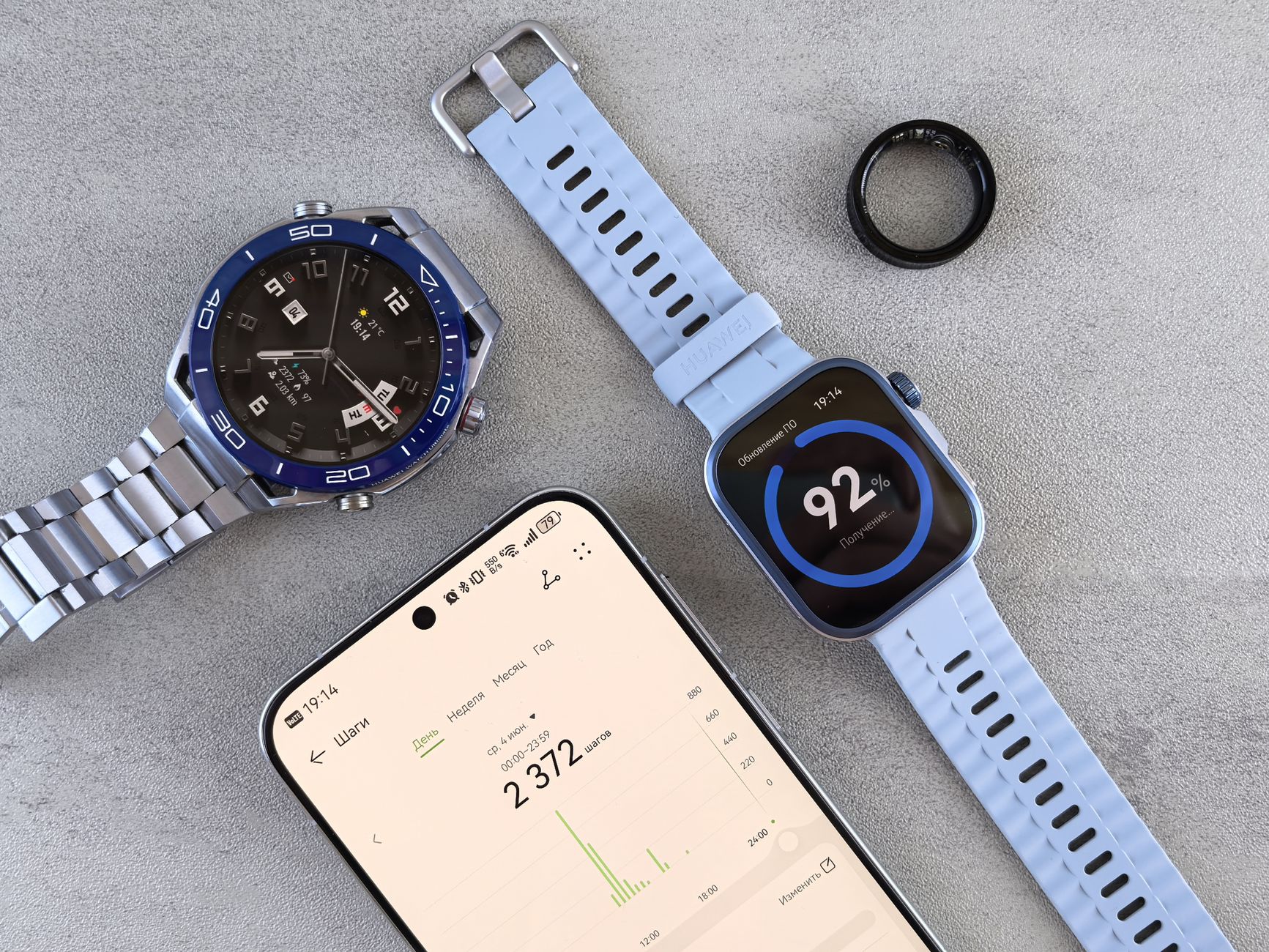
Quick answer Choose a smart sleep tracker based on comfort and budget: smart rings suit people who hate wearing watches to bed, fitness bands offer all-day tracking and long battery life, and under-mattress pads work best for total contact-free monitoring.
Getting a clear picture of your nightly rest helps you spot patterns in your daily energy and recovery. Finding the right tool means balancing comfort, battery life, and the cost of ongoing app subscriptions.
This smart sleep tracker buying guide breaks down current hardware options, essential metrics, and hidden ownership costs so you can pick the right device for your routine.
Key takeaways
- Smart rings provide continuous passive tracking without a screen or notifications.
- Wearable bands and smartwatches like Apple Watch Series 11 or Google Pixel Watch 4 combine fitness tracking with sleep monitoring.
- Under-mattress pads track sleep completely untouched, though bed partners can occasionally disrupt readings.
- Factor in monthly subscription fees for brands like Oura and WHOOP alongside the initial hardware price.
- Consumer sleep trackers are trend indicators, not medical diagnostic tools.
Form Factor: Rings vs. Wearable Bands vs. Under-Mattress Pads
The physical style of your tracker determines how long you will actually keep wearing it to bed. Comfort is the single biggest factor in long-term data collection.
Smart rings like the Oura Ring Gen 3 sit quietly on your finger. They lack screens, meaning zero bright lights or nighttime notifications disturb your bedroom. They feel natural after a few days of adjustment.
Wearable bands and smartwatches range from lightweight bands like the Fitbit Inspire 3 to feature-packed devices like the Apple Watch Series 11, Samsung Galaxy Watch 6, and Garmin Venu 3. These track daytime activity alongside night metrics. Battery life varies wildly, spanning from a single day for the Apple Watch to up to two weeks for the Garmin Venu 3.
Under-mattress pads like the Withings Sleep Analyzer slip beneath your mattress for completely invisible tracking. You wear nothing to bed. However, they can get confused if a partner or pet moves onto your side of the bed.
Key Sleep Metrics That Actually Matter
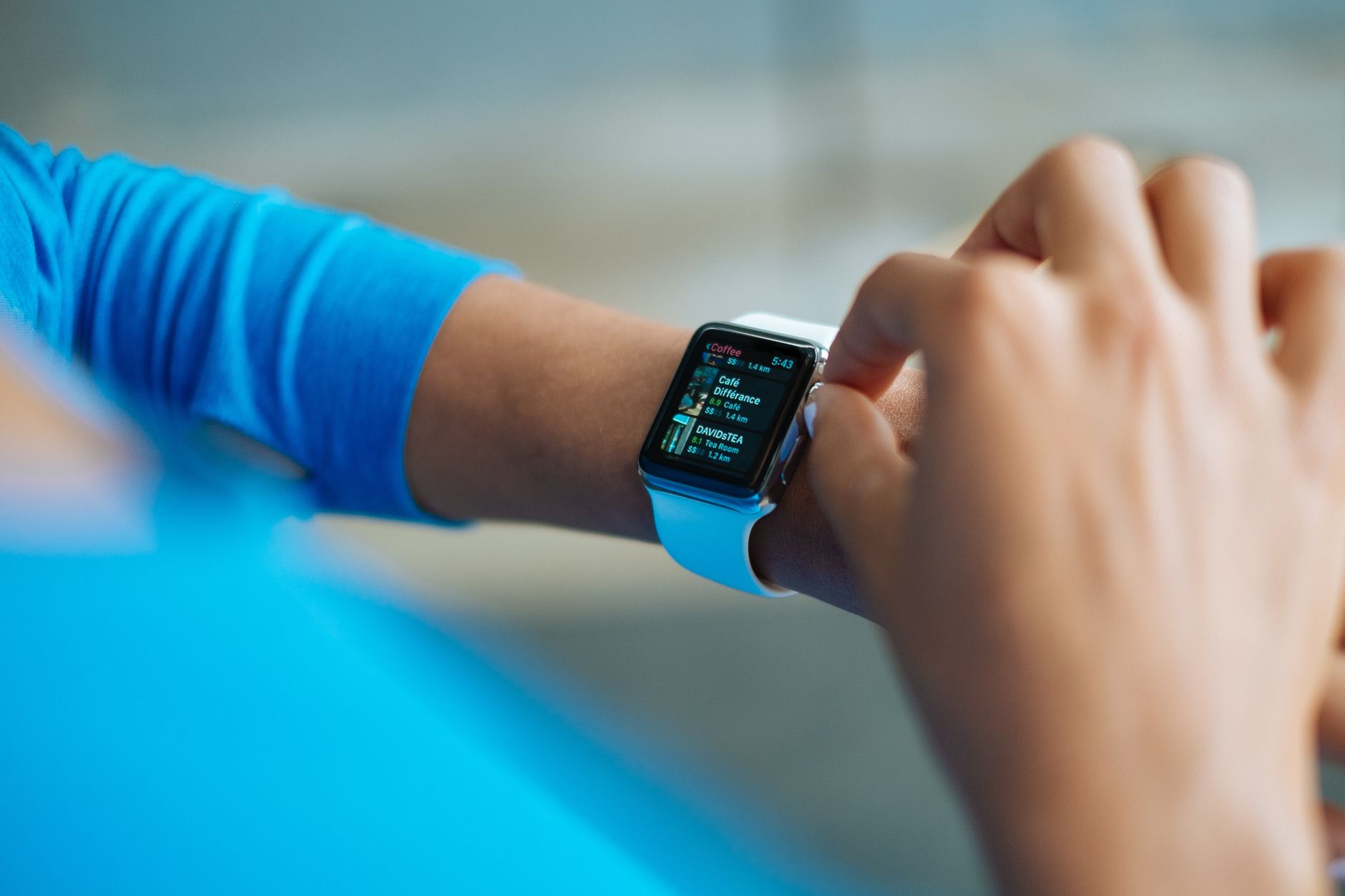
Photo by Pixabay on Pexels
Marketing materials often highlight dozens of metrics, but only a handful truly indicate recovery. Focus on core numbers first before exploring advanced data streams.
Core metrics include total time asleep, how often you wake up, and sleep stages like light, deep, and REM sleep. Resting heart rate tells you how hard your body works to recover overnight.
Advanced metrics offer deeper context. Heart Rate Variability (HRV) tracks the variation in time between each heartbeat, showing how well your nervous system handles stress. Skin temperature, respiratory rate, and blood oxygen levels (SpO2) help spot early signs of illness or breathing interruptions.
Tip: Look at your rolling seven-day averages for HRV and resting heart rate rather than stressing over a single night's reading.
What to Look For
Use this checklist when comparing devices:
- Comfort: Can you wear it for eight hours without noticing it?
- Battery Life: Do you mind charging your device every morning, or do you need multi-day endurance?
- Ecosystem: Does the companion app sync smoothly with your phone's operating system?
- Cost of Ownership: Does the hardware require an ongoing monthly subscription to unlock your own data?
Battery Life and Charging Convenience
Battery maintenance can quickly become frustrating if it interrupts your routine. Devices with rich color displays and continuous GPS tracking, such as the Google Pixel Watch 4, typically require daily charging.
Ring models and basic fitness bands generally last between four to seven days on a single charge. Garmin devices often stretch past a week. If a device takes an hour to charge, pick a time during your day, like a morning shower, to top it off so you never miss a night of tracking.
Subscription Fees vs. Free Companion Apps
Upfront hardware costs do not always tell the whole financial story. Brands like Oura and WHOOP lock their deep analytical insights behind a monthly subscription fee.
Other manufacturers, including Withings, Garmin, and Fitbit, provide all collected data and trends inside their companion apps without charging an ongoing fee. Always calculate the two-to-three-year total cost before buying a device that relies on a membership model.
| Device Type | Typical Upfront Cost | Subscription Required? | Battery Life |
|---|---|---|---|
| Smart Rings | $300 - $400 | Often Yes ($6/month) | 4 to 7 days |
| Fitness Bands / Watches | $100 - $400+ | Sometimes (WHOOP Yes, Garmin/Apple No) | 1 to 14 days |
| Under-Mattress Pads | $100 - $150 | No | Plugged in |
Integration with Apple Health and Google Fit
Your sleep data is most useful when it lives alongside your activity, nutrition, and workout logs. iPhone users benefit from tight integration with Apple Health, which automatically compiles sleep stages and breathing metrics from devices like the Apple Watch Series 11.
Android users rely on Google Fit or Fitbit ecosystems. Keep in mind that Apple Watch hardware locks you strictly into iOS compatibility. If you switch phone platforms later, your wearable may no longer pair.
Who Should Skip a Dedicated Sleep Tracker?
Sleep trackers are helpful tools, but they are not right for everyone. You should skip buying a dedicated tracker if any of the following apply to you:
- You suffer from orthosomnia: Obsessing over nightly sleep scores often increases sleep anxiety and makes rest harder to achieve.
- You want a medical diagnosis: Consumer hardware cannot officially diagnose sleep apnea or clinical sleep disorders.
- You hate wearing accessories: If bracelets or rings irritate your skin at night, you will abandon the device within a week.
Common Mistakes to Avoid
Many buyers run into predictable pitfalls when purchasing and using a sleep tracker:
- Treating consumer sleep scores as absolute medical truths instead of casual trend indicators.
- Forgetting to factor in monthly subscription fees over the expected lifespan of the device.
- Purchasing a bulky smartwatch with a bright screen that accidentally lights up your dark bedroom.
Pros
- Reveals hidden patterns between late-night meals and poor rest
- Helps track recovery trends over weeks and months
- Provides gentle morning alarms without waking partners
Pros
- Consumer sleep stages are only 60 to 80 percent accurate
- Ongoing subscription fees raise long-term costs
- Daily charging habits can be easy to forget
Bottom line Buy a smart ring if you want passive, screen-free comfort and do not mind a monthly app fee. Choose a Garmin or Withings device if you want zero ongoing costs, or stick to built-in smartphone tracking if you want to test your habits before spending money.
Related guide: How to Choose the Right Smart Scale for Your Fitness Goals
FAQ
Are smart rings more accurate than fitness bands for sleep tracking?
Both form factors use similar optical sensors to track heart rate and movement. Smart rings often stay snugly positioned on a finger with less slipping than loose wrist bands, but overall accuracy for sleep stages remains comparable.
Do I need to pay a monthly subscription to see my sleep data?
It depends entirely on the brand. Companies like Oura and WHOOP charge monthly fees for full dashboard access, while Garmin, Withings, and Apple include all metrics with the hardware purchase.
Can sleep trackers detect sleep apnea?
Devices like the Apple Watch and Garmin watches feature overnight breathing and blood oxygen monitoring that can flag potential breathing disturbances. However, they cannot officially diagnose sleep apnea; you need a formal sleep study prescribed by a physician for that.
Which sleep trackers work best without wearing anything to bed?
Under-mattress pads like the Withings Sleep Analyzer track heart rate, snoring, and sleep cycles entirely without physical contact.
How long do sleep tracker batteries typically last?
Battery longevity varies from one day for feature-heavy smartwatches to two weeks for dedicated fitness bands, while smart rings generally hold a charge for four to seven days.
Sources
Facts in this article were checked against these pages on November 18, 2026:
- Smart Watch Sleep Monitors: How to Choose the Right Wearable for Your Nightly Tracking – Tech (tech.dhgate.com)
- Best Sleep Trackers of 2026: Expert-Approved Wearables (sleepfoundation.org)
- The Best Sleep Trackers of 2026: Watches, Rings and Mats (cnet.com)
- The Ultimate Sleep Tracker Guide: Navigating Sleep Health with the Best Tools | Unity Health Network (unityhealthnetwork.org)
- Best Sleep Trackers in 2026: 6 Top Picks for Better Sleep (mibrofit.com)
- Finding the Best Sleep Tracker – karpathy (karpathy.bearblog.dev)
How we researched this: this guide is based on current manufacturer information and reputable sources, listed in the Sources section above, and is updated when things change. Read our editorial policy.
Content Writter

Comments
No comments yet — be the first to share your thoughts.