
How to Choose the Right Action Camera for Your Needs
Learn how to choose an action camera by comparing specs like 4K60 video, stabilization, and battery limits for your exact activities.
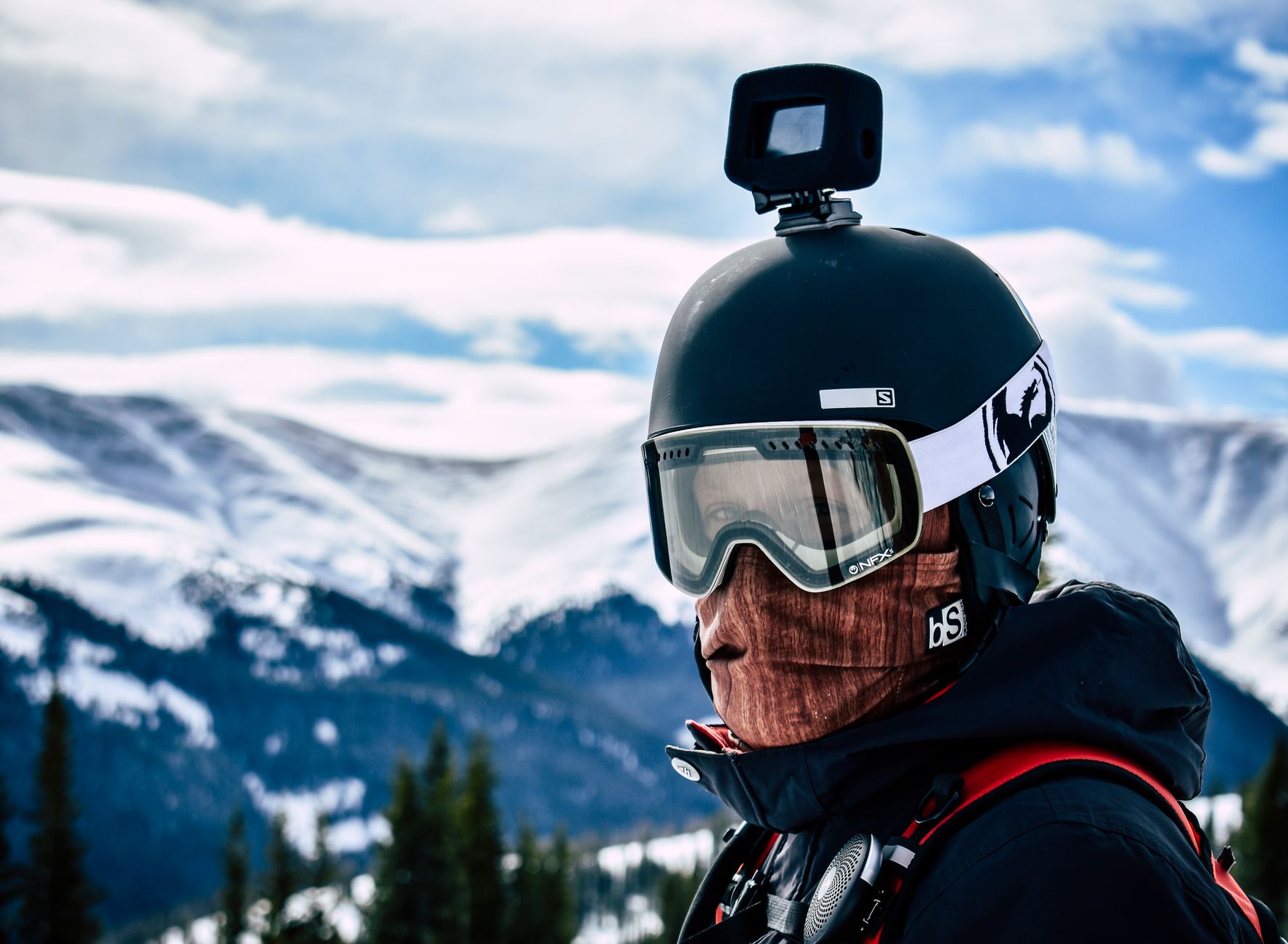
Quick answer To choose the right action camera, match your primary activity to the correct form factor and recording resolution. Stick with 4K at 60fps for everyday sports and travel, choose a traditional box camera like the DJI Osmo Action 6 or GoPro Hero 13 Black for heavy mounting, or pick a tiny wearable like the Insta360 GO series for effortless vlogging.
Buying an action camera can feel overwhelming when manufacturers push massive numbers like 8K resolution or extreme frame rates. Most buyers end up paying for features they never use while struggling with hidden issues like thermal throttling, short battery runtimes, and massive video files that slow down computer editing. Figuring out how to choose an action camera starts with ignoring marketing hype and focusing on the physical design, mounting system, and stabilization performance you actually need for your trips or sports.
You do not need top-tier hardware for casual vacation clips. A previous-generation device often gives you most of the performance at a much lower price. This guide breaks down the real-world trade-offs between form factors, image stabilization, and battery limits so you can buy the right device without wasting money.
Key takeaways
- 4K at 60fps remains the best sweet spot for everyday action video, balancing high detail with manageable file sizes.
- Traditional box cameras like GoPro and DJI are waterproof up to 33 feet natively without needing extra plastic cases.
- Wearable thumb cameras and magnetic pendants offer ultra-light alternatives for POV vlogs but have shorter standalone battery lives.
- Older models like the GoPro Hero 12 Black often provide similar video quality to newer flagships at a significant discount.
Key Specs That Actually Matter: Resolution, Frame Rates, and Stabilization
Camera manufacturers love to advertise maximum resolution numbers, but higher pixels do not automatically mean a better video. Resolution dictates how sharp your footage looks. While some flagship devices boast 5.3K or 8K capabilities, shooting at those levels creates massive files that demand heavy computer processing power and fill up memory cards fast. For crisp everyday action and travel videos, 4K at 60fps remains the core sweet spot. If you want slow-motion shots of fast-moving sports, look for models that support 4K at 120fps or 1080p at 240fps.
Electronic Image Stabilization (EIS) is just as important as resolution. Without stabilization, footage from a bicycle handlebar or a running helmet is unwatchable. Top modern models use advanced software algorithms to smooth out heavy shaking. Keep in mind that when lighting gets very dark, stabilization software has to work harder, which can introduce artifacts or blur. If you shoot lots of night scenes, look for devices with larger sensor sizes rather than relying solely on software tricks.
Tip: Always check your computer editing software capabilities before shooting in high bitrates or high frame rates. Massive files will lag severely on older laptops during playback.
What to Look For
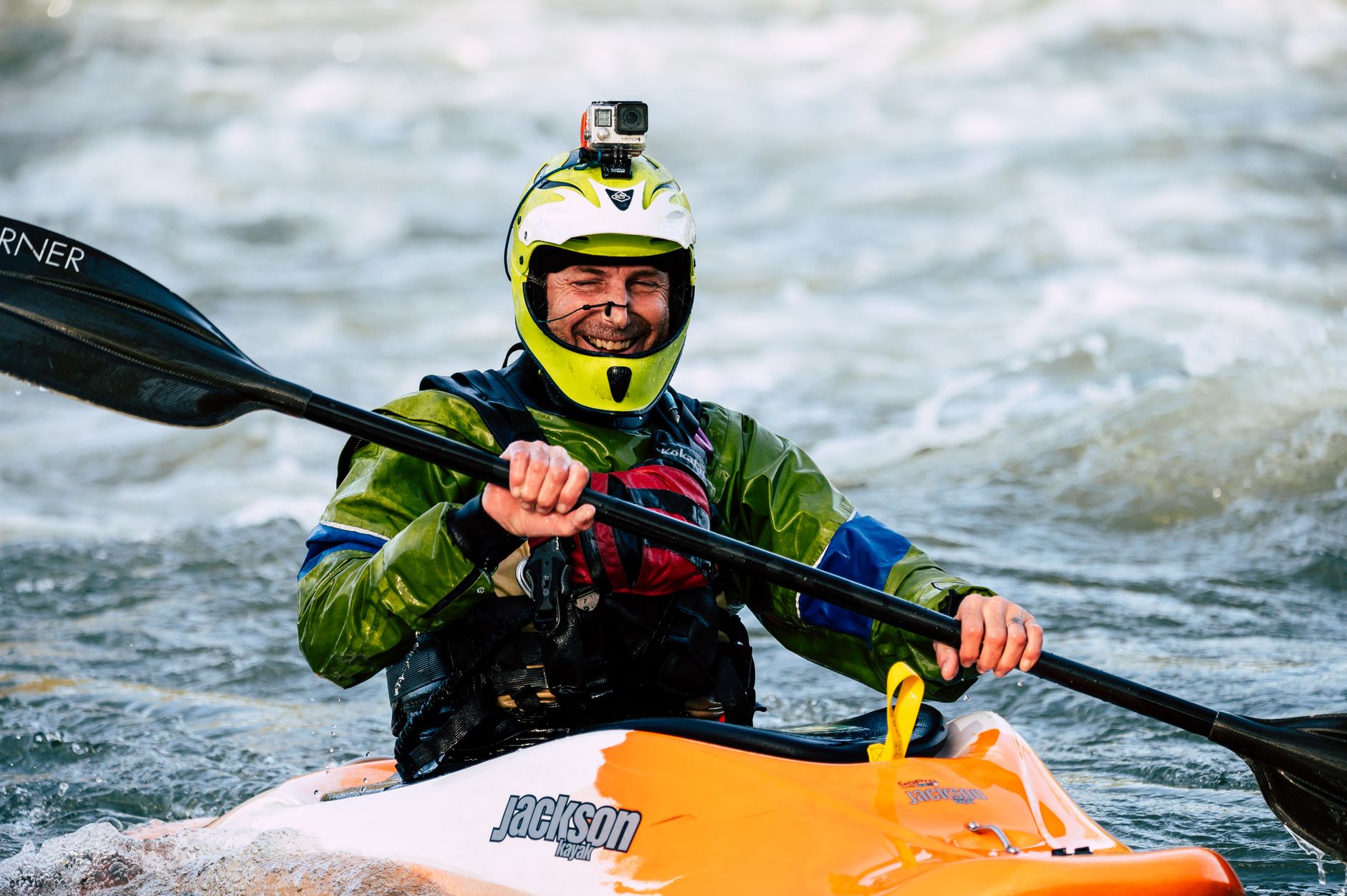
Photo by Brett Sayles on Pexels
- Waterproofing: Ensure the camera is natively waterproof to at least 33 feet (10 meters) so you can swim or surf without buying a bulky dive housing.
- Mounting Mechanism: Look for magnetic quick-release mounts that let you swap the camera between a helmet, chest strap, and tripod in seconds.
- Bitrate Options: Check if the device offers standard H.264 or HEVC codecs to manage file sizes effectively.
- Audio Capture: Look for built-in wind reduction settings and compatibility with external wireless microphones.
Form Factor and Mounting Ecosystems: GoPro, DJI, and Insta360 Compared
Action cameras generally fall into two physical designs. Traditional box-style cameras, such as the DJI Osmo Action series (including the Action 5 Pro and the newer Action 6) and the GoPro Hero 13 Black, feature a rugged, waterproof rectangle shape with dual screens. These are ideal for heavy impacts, mountain biking, and surfing. They attach securely via mounting fingers or magnetic clips and handle rough physical treatment easily.
On the other side, ultra-portable and wearable thumb cameras like the Insta360 GO 3, GO 3S, Insta360 Go Ultra, and the DJI Osmo Nano offer a tiny form factor. These cameras attach to magnetic pendants, letting you clip them directly to a shirt for a true first-person view without wearing a heavy helmet mount. They excel at casual travel vlogging and daily life capture, though their tiny batteries rely heavily on charging cases for extended sessions.
Battery Life and Thermal Performance in the Real World
One of the most common frustrations with action cameras is sudden shutdown due to overheating. Recording in high-resolution 4K or 5.3K generates a lot of heat, especially when the camera sits still on a tripod under direct sunlight. Traditional box cameras manage heat better than tiny wearable pendants, but all of them will eventually throttle or turn off if airflow is low.
Battery life also fluctuates depending on your settings. Turning on maximum brightness, wireless connections, voice control, and high frame rates will drain a battery in under an hour. To combat this, carry at least two spare batteries and keep them in a warm pocket if you are shooting in cold winter weather, which drains lithium-ion cells much faster.
| Camera Type | Best For | Key Strength | Main Limitation |
|---|---|---|---|
| Traditional Box (e.g., DJI Action 6, GoPro Hero 13) | Extreme sports, diving, mountain biking | Rugged, waterproof to 33ft natively, great heat management | Heavier and more noticeable on a helmet mount |
| Value Flagship (e.g., GoPro Hero 12 Black) | Budget-conscious buyers and travelers | 90% of flagship video quality at a lower price | Missing the absolute newest sensor tweaks |
| Ultra-Portable (e.g., Insta360 Go Ultra, Osmo Nano) | POV vlogging, travel, lightweight clips | Tiny form factor, magnetic pendant mounting | Shorter standalone battery life |
Audio Quality and Waterproofing Without Extra Housings
Older action cameras required bulky plastic cases to survive a swim, which muffled the built-in microphones completely. Modern flagship models are natively waterproof down to 33 feet (10 meters) out of the box. This means you can jump into a pool, surf in the ocean, or film in heavy rain without putting the camera in a case. While you still need a specialized dive housing for deep scuba diving, everyday water exposure requires zero preparation.
For audio, built-in microphones have improved drastically with advanced wind-noise reduction algorithms. However, if you are vlogging in windy conditions or talking directly to the camera while moving, you will want to pair your action camera with a small wireless microphone system that connects directly to the camera body or receiver.
Action Cameras for Different Budgets and Activities
Choosing the right model depends entirely on what you plan to record. If you ride mountain bikes or surf massive waves, you need a rugged box camera with strong physical mounting options and reliable image stabilization. The DJI Osmo Action line and GoPro Hero series fit this exact need.
If your main goal is travel vlogging, family walks, or capturing cooking tutorials from a unique chest angle, a lightweight wearable camera like the Insta360 GO series or DJI Osmo Nano is a better fit. You will barely notice you are wearing it, and the magnetic pendant system makes setup instantaneous.
Pros
- Natively waterproof for swimming and rain
- Compact sizes easily fit in pockets
- Magnetic mounts allow fast swapping
Cons
- Small batteries drain quickly in high resolutions
- High-res files demand heavy computer storage
- Can overheat during long static recordings
Features to Skip to Save Money
Marketing teams often push expensive upgrades that offer very little real-world value for the average user. Avoid paying top dollar for maximum 8K or maxed-out 5.3K resolutions unless you are a professional filmmaker who needs to crop heavily into the footage during editing. For 99 percent of users, 4K at 60fps delivers all the clarity you could ever want.
Similarly, avoid buying brand-new flagship models on release day if you are on a budget. Previous-generation hardware like the GoPro Hero 12 Black sits about $60 cheaper while offering nearly identical video quality. Buying a slightly older generation lets you spend your leftover cash on essential accessories like extra batteries, memory cards, and secure mounts.
Warning: Do not buy ultra-cheap, unbranded action cameras from random online storefronts. They often fake their resolution claims, offer terrible low-light stabilization, and break within weeks.
Common Mistakes to Avoid
Many buyers make the mistake of assuming all small cameras require external waterproof housings, leading them to buy unnecessary protective shells. Another frequent error is ignoring the computer processing power required to edit high-frame-rate action footage, resulting in an unplayable editing timeline. Finally, avoid shooting entire day-long events in maximum resolution; always turn the camera off between clips to save battery and prevent overheating.
Bottom line If you need a rugged camera for sports or travel, buy a mainstream box camera like the DJI Osmo Action or GoPro Hero series. If you prioritize lightweight vlogging and first-person perspectives, choose a wearable thumb camera like the Insta360 GO line. Skip expensive 8K resolutions and stick to 4K60 to save money and storage space.
FAQ
Do I really need 4K or 8K resolution on an action camera?
No, you do not need 8K, and even 4K is plenty sharp for most viewers. Standard 4K at 60fps provides exceptional clarity and smooth motion without clogging up your hard drive or causing your computer to lag during editing.
Which action camera has the best image stabilization?
Current flagship models from DJI (like the Osmo Action 6 and Action 5 Pro) and GoPro (Hero 13 Black) lead the market in electronic image stabilization, smoothing out severe bumps and shakes automatically.
Are budget action cameras worth buying over GoPro?
Most ultra-cheap budget cameras lack reliable image stabilization and good low-light performance. However, buying a slightly older, name-brand previous-generation model is a much safer way to save money.
How long do action camera batteries actually last?
Most action cameras last between 60 to 90 minutes of continuous recording at standard 4K settings. Factors like high frame rates, cold weather, and high screen brightness will shorten that time significantly.
Can I use action camera mounts interchangeably between brands?
Many modern cameras feature quick-release magnetic mounts that are proprietary to their brand, though standard three-prong mounting fingers remain widely compatible across universal accessories and tripods.
Sources
Facts in this article were checked against these pages on October 11, 2026:
- What is an Action Camera? A Comprehensive Guide - AVC photo video | AVC Store (avcstore.com)
- Buying Guide: Choosing Action Cams in 2025 & Key Features - DJI Indonesia (dji.com)
- The best action cameras | Digital Camera World (digitalcameraworld.com)
- Best Action Camera 2026: A Pro Photographer's Picks (findingtheuniverse.com)
- Best Action Camera: Comparison and Buying Guide - DJI Store - DJI Store (store.dji.com)
- Action cameras: how to choose the right one (midlandeurope.com)
How we researched this: this guide is based on current manufacturer information and reputable sources, listed in the Sources section above, and is updated when things change. Read our editorial policy.
Content Writter
Comments
No comments yet — be the first to share your thoughts.