
IP Ratings Explained: What Water and Dust Resistance Numbers Mean
Decode IP ratings for phones, earbuds, and outdoor gear. Learn what IP67, IP68, and IPX4 mean in real-world conditions before risking your devices.
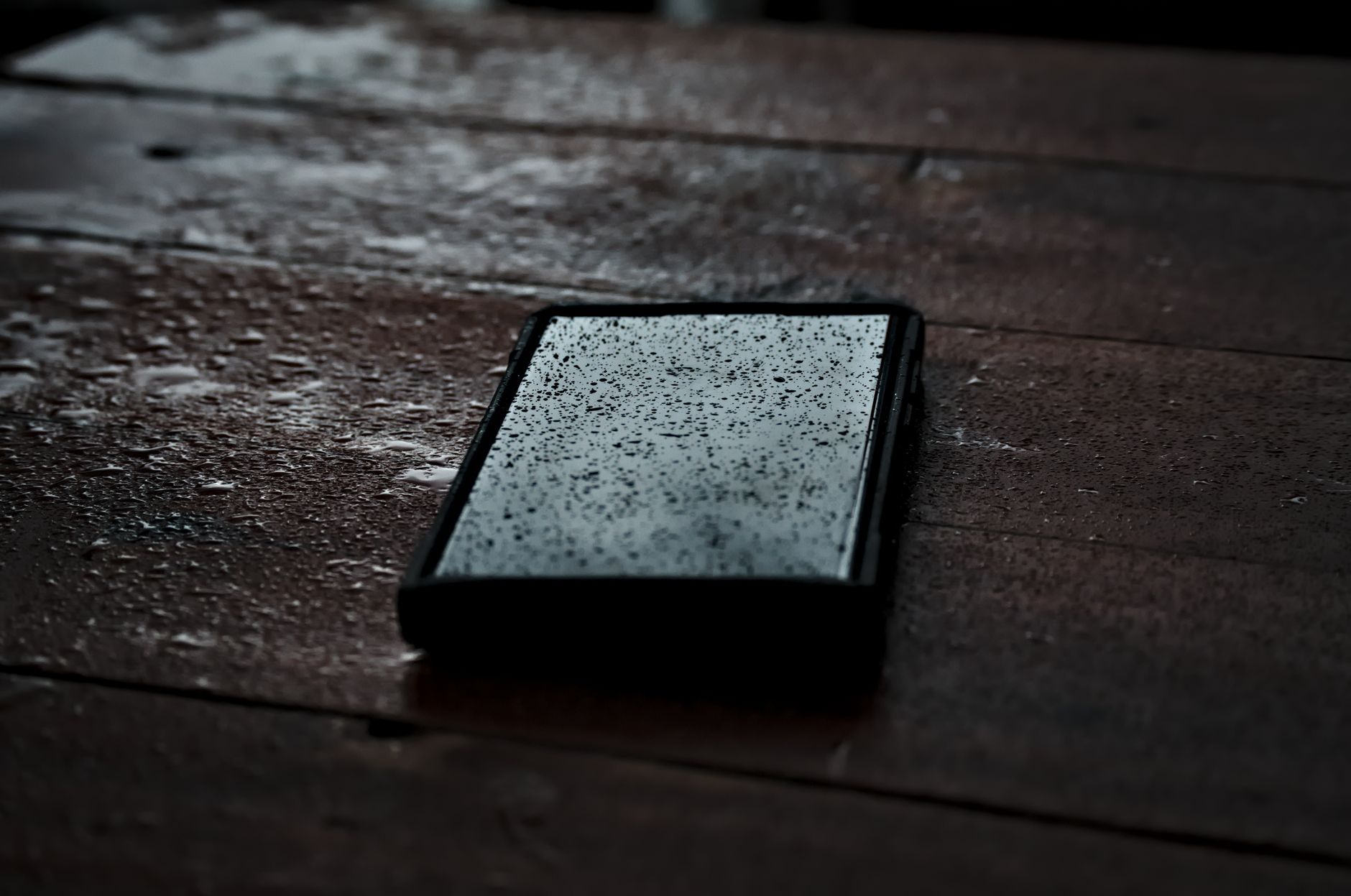
Quick answer An Ingress Protection (IP) rating is an international standard that tells you exactly how well an electronic device resists dust and water. The first digit measures protection against solid objects like dust, while the second digit measures resistance against liquids like splashes or submersion.
When you buy a smartphone, workout earbuds, or outdoor camera, marketing materials often promise that the device can handle your active life. Having ip ratings explained in plain terms helps you separate real protection from advertising hype before taking your gear near water or dirt.
Think of an IP rating like a nut and bolt thread match. A generic term like heavy-duty tells you very little about whether a bolt fits. In the exact same way, calling a device waterproof without an official code leaves you guessing whether it can handle a rainy walk, a drop in a pool, or a dusty trail.
Key takeaways
- The first digit after IP measures dust protection on a scale of 0 to 6.
- The second digit measures water protection on a scale of 0 to 9K.
- An X in a rating like IPX7 means the device was not officially certified for dust protection, not that it has zero resistance.
- IP ratings are tested using calm, fresh water in laboratory environments, not saltwater, soapy water, or high-pressure ocean waves.
- Water seals inside electronics degrade over time due to age, drops, heat, and chemical exposure.
What the Two Numbers in an IP Rating Mean
The International Electrotechnical Commission sets global standards for electronic enclosures under standard IEC 60529. An IP rating consists of the letters IP followed by two digits, such as IP68. Remembering the order is simple because dust and solid debris come before water alphabetically.
The first number rates protection against solid particles like dirt, sand, and dust. This number ranges from 0 (no protection) to 6 (complete dust tightness). The second number rates liquid protection, ranging from 0 (no protection) up to 8 for deep submersion, or 9K for high-pressure, high-temperature washing.
Sometimes you will see a letter X in place of a digit, such as IPX4 on sports earbuds or IP6X on an outdoor camera. The X simply means the manufacturer did not formally test the device for that specific category. It does not mean the device has zero protection. It only means no official rating was claimed for that half of the standard.
| IP Code Example | First Digit (Solids) | Second Digit (Liquids) | Real-World Meaning |
|---|---|---|---|
| IPX4 | Not tested | 4 (Splashes) | Safe for sweat and light rain droplets. |
| IP54 | 5 (Dust-protected) | 4 (Splashes) | Resists light sawdust and water splashes. |
| IP67 | 6 (Dust-tight) | 7 (Submersion to 1m) | Total dust protection; handles short drops in shallow fresh water. |
| IP68 | 6 (Dust-tight) | 8 (Deep submersion) | Total dust protection; withstands continuous submersion beyond 1 meter. |
Dust and Solid Protection Breakdown (IP5X vs. IP6X)
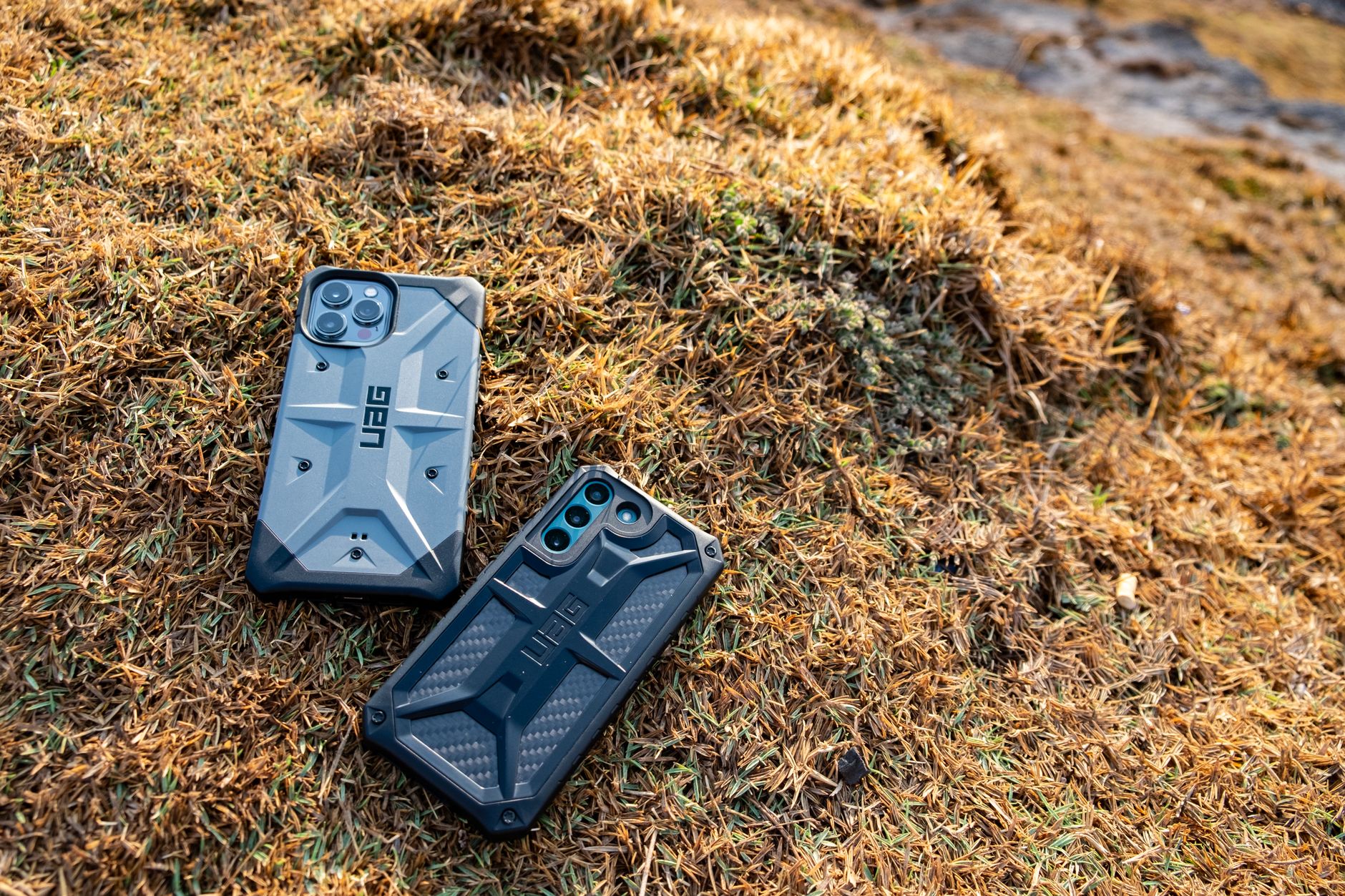
Photo by Ethan Tran on Pexels
Solid ingress protection matters if you take your devices to the beach, work in a dusty garage, or use outdoor gear. The solid rating scale runs from 0 to 6. Lower numbers protect against fingers or large tools, but for consumer tech, the relevant ratings are 5 and 6.
- IP5X (Dust-Protected): Dust can enter the housing, but not in high enough amounts to stop the device from working properly. It works fine for light outdoor exposure or woodworking shop dust.
- IP6X (Dust-Tight): The device is completely sealed. During official 8-hour laboratory testing, zero dust particles bypassed the internal seals.
If you take your phone or camera to sandy beaches or dirty job sites, look for an IP6X rating. Fine sand particles can easily jam exposed speaker meshes and charging ports on devices with lower solid ratings.
Water Resistance Ratings Demystified (IPX4 to IPX8)
Liquid protection is usually what buyers care about most. Understanding the exact numbers helps you avoid costly water damage to expensive gadgets.
An IPX4 rating is common on everyday workout earbuds with Active Noise Cancellation. It protects against water splashing from any direction for 10 minutes. It easily handles sweat and light drizzles, but it cannot handle heavy rain or running tap water.
IPX5 and IPX6 ratings protect against water jets. IPX5 resists low-pressure streams from a small nozzle, while IPX6 protects against powerful water streams from larger nozzles. These ratings are ideal for portable outdoor speakers that might get washed off or caught in heavy rainstorms.
IPX7 and IPX8 cover static water submersion. An IPX7 rating guarantees survival when submerged in fresh water up to 1 meter (about 3.3 feet) deep for 30 minutes. An IPX8 rating goes further, covering continuous submersion beyond 1 meter. The manufacturer defines the exact depth and time limit for IPX8, usually up to 1.5 to 3 meters for 30 minutes.
Tip: Always check the product manual for exact IPX8 depth limits. The IEC standard allows manufacturers to set their own depth limits above 1 meter, so one IPX8 phone might handle 1.5 meters while another handles 6 meters.
Water Resistant vs. Waterproof: What Lab Tests Skip
In 2026, industry standards and consumer protection guidelines explicitly discourage using the word waterproof. The term is misleading because no electronic device stays completely immune to water under all conditions. Technical guidelines mandate using specific IEC 60529 IP codes instead of vague marketing terms.
Laboratory tests use controlled conditions that do not match daily life. Tech manufacturers test devices in laboratory tanks filled with static, distilled water held at room temperature. The device sits perfectly still without moving through the liquid.
Moving a phone quickly through water creates dynamic pressure. Swimming with an IP68 phone exerts much higher pressure on the seals than letting it sit still at the bottom of a container. High-velocity water movement can push liquid past rubber gaskets that passed static laboratory tests.
What IP Ratings Don't Cover: Saltwater, Steam, and Pressure
Standard IP ratings only apply to fresh water. Exposing your devices to other liquids introduces chemical hazards that standard laboratory tests ignore entirely.
- Saltwater and Pool Chemicals: Ocean salt and pool chlorine erode speaker meshes, corrode exposed metal charging pins, and eat away at internal rubber gaskets.
- Steam and High Heat: Taking an IP68 phone into a hot shower or sauna is dangerous. Heat expands physical seals, while steam vapor molecules are small enough to slip past liquid barrier gaskets.
- High Pressure and Water Sports: Jet skis, water skiing, and high-diving push water against the phone at high velocity. Standard IPX7 and IPX8 ratings do not protect against high-pressure impacts.
Warning: Never charge a device while the charging port is wet. Even if your phone has an IP68 rating, plugging in a cable with moisture inside the port causes immediate pin corrosion or electrical short circuits.
How IP Ratings Degrade Over Time
An IP rating is not a lifetime guarantee. Fresh out of the box, your device meets its advertised seal rating, but normal daily wear degrades those internal barriers over time.
Dropping your phone distorts the outer frame by tiny fractions of a millimeter. Even if the screen does not crack, frame flex creates microscopic gaps in adhesive seals. Sun exposure and warm temperatures dry out liquid gaskets, making them brittle over months of use.
Chemical exposure speeds up seal breakdown. Hand lotions, sunscreen, soapy bathwater, and isopropyl alcohol dissolve the internal glue strips holding glass panels together. A two-year-old IP68 phone might only offer the real protection of an IPX4 device today.
Common Mistakes
Many owners accidentally ruin their electronics by misunderstanding how ratings work. Avoid these common mistakes to keep your devices safe around liquids:
- Assuming IPX8 includes high-pressure jets: IPX8 covers static immersion, not high-velocity water streams. High-pressure jets require IPX6 or industrial IP69K ratings.
- Taking phones into hot showers: Heat softens glue and steam bypasses water seals. Keep electronics out of steamy bathrooms.
- Failing to rinse saltwater off immediately: If an IP68 phone drops into the ocean, rinse it gently with fresh tap water right away to remove corrosive salt deposits.
- Trusting water resistance after repairs: Third-party screen or battery replacements often break original factory seals unless carefully reapplied by certified technicians.
Pros
- Provides an official international standard for water and dust safety.
- Removes confusing marketing terms like splash-proof or waterproof.
- Helps buyers choose appropriate gear for outdoor sports and workouts.
Cons
- Does not guarantee protection against saltwater, steam, or liquid pressure.
- Ratings degrade over time due to drop impacts and age.
- Liquid damage is almost never covered by standard manufacturer warranties.
Bottom line An IP rating gives essential peace of mind against accidental drops and rain, but it is a safety net rather than a feature designed for underwater entertainment. Look for IP67 or IP68 ratings for everyday smartphones, and IPX4 or higher for workout earbuds. Skip using your electronics underwater intentionally unless they sit in a dedicated waterproof dive case.
Related guide: Ultra-Wideband (UWB) Explained: What It Does and Where to Use It
Related guide: PWM Dimming Explained: Why Phone Screens Cause Eye Strain
FAQ
Is IP68 completely waterproof?
No. IP68 means the device withstands fresh water submersion beyond 1 meter under static laboratory conditions. It does not protect against saltwater, hot steam, soap, or high-pressure water streams, and seals degrade over time.
Can I wear IPX4 earbuds in heavy rain or the shower?
No. An IPX4 rating only covers light water splashes and sweat. Heavy rain or direct spray from a shower head exceeds the pressure limit of IPX4 seals and can cause liquid damage.
Does an IP rating cover saltwater swimming pools or ocean water?
No. IP testing uses pure, fresh water. Saltwater in oceans and chlorine in swimming pools chemically corrode metallic charging ports and degrade internal rubber seals.
Why doesn't phone warranty cover liquid damage even with an IP68 rating?
Manufacturers cannot verify if liquid damage occurred within rated lab limits or from high pressure, ocean salt, hot steam, or existing drops. Internal liquid contact indicators void the warranty regardless of the IP rating.
What is the difference between IP67 and IP68?
Both offer identical IP6X dust protection. For water, IP67 guarantees survival up to 1 meter deep for 30 minutes, while IP68 covers deeper submersion specified by the manufacturer, typically between 1.5 and 3 meters.
Sources
Facts in this article were checked against these pages on November 3, 2026:
- IP Ratings Explained - Dust and Water Resistance |Getac (getac.com)
- What do IP ratings mean? How to understand phones' dust & water resistance | T3 (t3.com)
- Understanding IP Ratings Explained with Charts - Pro Tool Reviews (protoolreviews.com)
- What Is IP Rating? | Zebra (zebra.com)
- IP Ratings Explained - IP Rating Chart & Guide to Ingress Protection (brigade-electronics.com)
- The Ultimate Guide to IP Ratings: What Do Those Numbers on Your Case Really Mean? - The Joy Factory (thejoyfactory.com)
How we researched this: this guide is based on current manufacturer information and reputable sources, listed in the Sources section above, and is updated when things change. Read our editorial policy.
Content Writter


Comments
No comments yet — be the first to share your thoughts.