
Active Noise Cancellation Explained: How ANC Works
Active noise cancellation uses miniature microphones and sound inversion to silence low-frequency droning. Learn how it works, what it cannot block, and how to get the best seal.
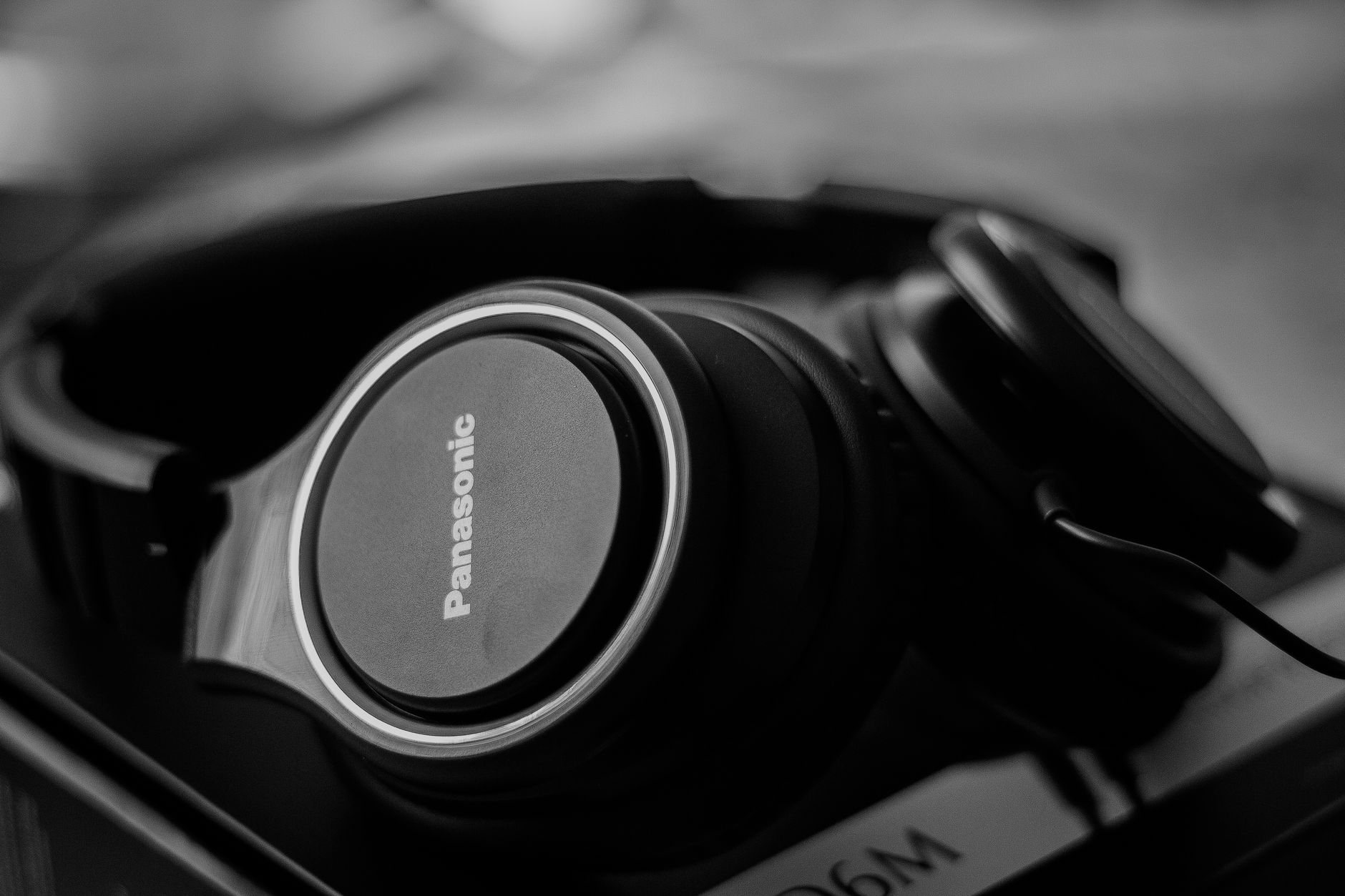
Quick answer: Active Noise Cancellation (ANC) works by using built-in microphones to sample ambient sounds, an onboard processor to generate an inverted "anti-noise" wave, and internal speakers to play that wave so both sounds cancel each other out before reaching your eardrums.
If you have ever slipped on a pair of noise-canceling headphones aboard a commuter train or flight, you know the feeling: the heavy roar of the engines drops away into a quiet hum. While it feels like magic, it is strictly acoustic physics operating in real time.
Understanding active noise cancellation explained in plain terms helps you choose the right pair of earbuds or over-ear cans. Once a premium perk found only in top-tier travel gear, ANC now appears across mainstream wireless earbuds, over-ear models, and even over-the-counter hearing devices like Olive Union's Olive Air.
Key takeaways
- ANC targets steady, low-frequency sounds (engine roars, air conditioning, train rumbles) by playing a mirror-image sound wave that cancels incoming noise.
- Physical passive isolation and digital active cancellation are partners, not competitors; an improper physical seal ruins active noise reduction.
- Newer hardware leans heavily toward Adaptive ANC, which adjusts cancellation strength on the fly to prevent uncomfortable eardrum pressure.
- Enabling ANC increases processor workload and shortens battery runtime across all wireless personal audio gear.
What Is Active Noise Cancellation?
Sound travels through the air as continuous pressure waves composed of peaks (high pressure) and troughs (low pressure). When you hear ambient noise, your eardrum vibrates in response to those pressure changes.
Active noise cancellation relies on an acoustic principle known as destructive interference. If two identical sound waves collide while perfectly out of phase—meaning the peak of one wave meets the trough of the other—they neutralize each other. The mathematical sum of the combined air pressure equals zero.
Think of it like two people pulling on a rope in opposite directions with the exact same strength: the rope remains stationary. An ANC headphone listens to the ambient sound coming at your ears, creates an opposite sound wave, and plays it instantly so your ears hear silence instead of the rumble.
| Technology Mode | How It Works | Primary Benefit | Best Used For |
|---|---|---|---|
| Static ANC | Applies fixed-strength anti-noise regardless of environment | Predictable, heavy cancellation | Constant high-noise areas like flights |
| Adaptive ANC | Sensors read changing noise levels and dial cancellation up or down | Reduces ear pressure in quiet rooms | Commutes, walking between indoor and outdoor spaces |
| Transparency Mode | Pipes exterior ambient sound through speakers intentionally | Situational awareness without removing earbuds | Conversations, listening for airport gate announcements |
| Passive Isolation | Physical blocking of sound using dense foam, ear cups, or ear tips | Blocks high-frequency, sudden sounds naturally | Everyday listening in quiet or moderately noisy spaces |
How Microphones and Sound Waves Work Together

Photo by cottonbro studio on Pexels
To produce this neutralizing anti-noise, an ANC system operates continuously in a cycle that takes mere fractions of a millisecond. It uses three key hardware components:
- Miniature Microphones: Located on the exterior of the ear cup or bud (feedforward), inside the ear canal chamber (feedback), or both (hybrid ANC). They monitor frequency (pitch) and amplitude (loudness).
- Dedicated ANC Chipset: The audio processor calculates the incoming sound wave and generates an inverted acoustic wave—a mirror image where peaks match troughs.
- Speaker Drivers: The headphone driver emits the calculated anti-noise simultaneously with whatever podcast, call, or music track you are playing.
Modern devices make this calculation thousands of times per second. Chips like Apple's H2 processor or the proprietary systems inside the Bose QuietComfort Ultra Earbuds 2 calculate these offsets so fast that the anti-noise strikes your ear at the exact moment the ambient sound penetrates the headphone shell.
If you prefer an open-ear design that intentionally leaves the ear canal unblocked, compare options like the Bose Ultra Open Earbuds vs. Sony LinkBuds Open, which skip traditional ANC seals entirely in favor of complete environmental awareness.
Tip: If your earbuds feature an in-app "Ear Tip Fit Test," run it in a quiet room. The app plays a chime and uses internal feedback microphones to listen for sound leaks, confirming you have chosen the right tip size.
ANC vs. Passive Noise Isolation
Many shoppers confuse passive isolation with active cancellation, but the two systems tackle completely different halves of the sound spectrum.
Passive noise isolation is purely mechanical. It relies on high-density foam ear cups or tight-fitting silicone ear tips creating an airtight physical seal around or inside your ear canal. Passive isolation excels at dampening mid- and high-frequency sounds, such as typing on a mechanical keyboard, nearby chatter, or glass clinking.
Active noise cancellation, by contrast, relies on electronics to handle deep, sustained bass frequencies that physical foam cannot easily stop. Long, low-frequency sound waves pass through physical materials effortlessly. Without ANC, blocking low engine rumbles would require heavy, thick ear cups that no one would want to wear.
Active Noise Cancellation
- Eliminates low-frequency droning that foam cannot block
- Lets you listen to music at lower, safer volume levels
- Adapts electronically via software modes and transparency settings
Active Noise Cancellation
- Drains battery power faster due to constant processing
- Cannot react fast enough to block sharp, sudden sounds
- Can cause perceived eardrum pressure in older, static designs
What Kinds of Sounds ANC Blocks (and What It Misses)
Because ANC requires an incoming wave to be sampled, inverted, and played, it works best on predictable sounds with consistent rhythms and frequencies.
ANC handles these sounds effectively:
- Jet engine droning and airplane cabin air rush
- Subway, bus, and train track hums
- Air conditioners, space heaters, and large desk fans
- Steady highway traffic noise when walking near roads
Where ANC struggles is with sudden, non-repeating acoustic spikes. Because the microchips need a tiny window to sample and mirror a sound wave, noises with abrupt transients pass through the electronics before the anti-noise can neutralize them. This is why you will still hear:
- A door slamming shut nearby
- Sudden horn honks or sirens
- Colleagues talking or children laughing around you
- Dropped cutlery or barking dogs
For those sharp sounds, you rely almost entirely on your earbud tips or over-ear cushions to provide physical passive isolation.
How ANC Affects Audio Quality and Battery Life
Running an array of listening microphones alongside an active processor demands constant power. Depending on the brand and model, turning ANC on typically reduces battery life across wireless headphones (which generally achieve between 20 and 60 hours total playback) compared to running them with ANC off.
Audio fidelity can also shift slightly when active cancellation is engaged. Because the driver plays anti-noise directly into your ear canal alongside your music, poorly tuned algorithms can slightly flatten the dynamic range or subtly reduce bass punch. However, high-grade implementations often sound better with ANC turned on simply because eliminating background noise lets subtle musical details come forward without requiring you to turn the volume to dangerous levels.
Common Mistakes When Using ANC
Warning: Never force an ear tip too deep into your ear canal to improve cancellation. An airtight seal requires the correct tip diameter, not painful insertion depth.
- Using the wrong ear tip size: If your earbud tips do not form an airtight seal, outside air leaks in. Mid- and high-frequency sounds slip through, and the ANC feedback loop gets confused by air pressure leaks.
- Leaving static ANC on maximum in quiet rooms: In silent settings, older static ANC circuits still push subtle anti-noise frequencies against your eardrums. This mismatch tricks your brain into sensing a shift in atmospheric pressure (often called "cabin pressure"). Switch to an adaptive mode or turn ANC off when at home in silence.
- Ignoring dirt on microphone grilles: Tiny exterior mic openings pick up lint, dust, and earwax over time. Obstructed microphones cannot measure incoming sound waves accurately, creating hollow audio, wind whistling, or high-pitched screeching noises.
Bottom line: Active noise cancellation is essential for frequent commuters, travelers, and open-office workers struggling against constant low-frequency droning. If you only listen in quiet home spaces or need complete acoustic awareness at all times, skip paying a premium for advanced ANC and focus on comfort and passive fit instead.
Related guide: IP Ratings Explained: What Water and Dust Resistance Numbers Mean
Related guide: Spatial Audio Explained: How 3D Sound and Head Tracking Work
Related guide: Auracast Bluetooth Audio Explained: How It Works and How to Use It
Frequently Asked Questions
How does active noise cancellation actually work?
ANC works through destructive interference. Exterior microphones detect ambient sound waves, an onboard audio processor computes an identical sound wave inverted by 180 degrees (mirroring peaks and troughs), and the speakers play that "anti-noise" to cancel the sound out before it reaches your ear.
Why can I still hear people talking through my ANC headphones?
Human speech consists of erratic, shifting mid- and high-frequency sounds. ANC processors are optimized to eliminate low, steady, predictable rumbles. Unpredictable voices change pitch and volume too quickly for active cancellation to neutralize, meaning you depend mostly on physical passive ear cushion isolation to muffle them.
Does turning on ANC drain the battery faster?
Yes. ANC requires continuous electrical power to operate microphones, run phase-inversion algorithms in the processor, and drive speaker elements to emit anti-noise. Using ANC typically reduces overall wireless battery runtime compared to listening with the feature turned off.
What is the difference between active and passive noise cancellation?
Passive isolation blocks sound physically using dense foam ear cups or tight silicone earbud seals, which works best against high-frequency sounds. Active noise cancellation uses powered electronic processing and speakers to erase low-frequency sounds that physical barriers cannot stop.
Can ANC damage your ears?
No, ANC does not damage your hearing. The anti-noise it plays is safe, low-level acoustic energy designed to cancel out exterior waves. In fact, ANC protects your hearing because you do not need to crank your music volume up to dangerous levels just to drown out surrounding noise.
Sources
Facts in this article were checked against these pages on October 30, 2026:
- How Does Active Noise Canceling (ANC) Work? | LG STORY (lg.com)
- How Do Noise-Canceling Headphones Work? | Sonos Blog (sonos.com)
- What is ANC? How Noise Canceling Headphones Work | B&O (bang-olufsen.com)
- Noise Cancelling (WITH AUDIO SAMPLES) Explained | 60 Second Soundcheck (youtube.com)
- ANC Solutions - Products, Competitors, Financials, Employees, Headquarters Locations (cbinsights.com)
- 2026 Adaptive ANC Roundup: Ultimate Guide & Tech Trends (havitsmart.com)
How we researched this: this guide is based on current manufacturer information and reputable sources, listed in the Sources section above, and is updated when things change. Read our editorial policy.
Content Writter



Comments
No comments yet — be the first to share your thoughts.