
Anker Prime vs. Ugreen Nexode: Which Fast Charger to Buy?
Compare Anker Prime and Ugreen Nexode fast chargers to find the best multi-port GaN charger for your laptop, tablet, and phone.
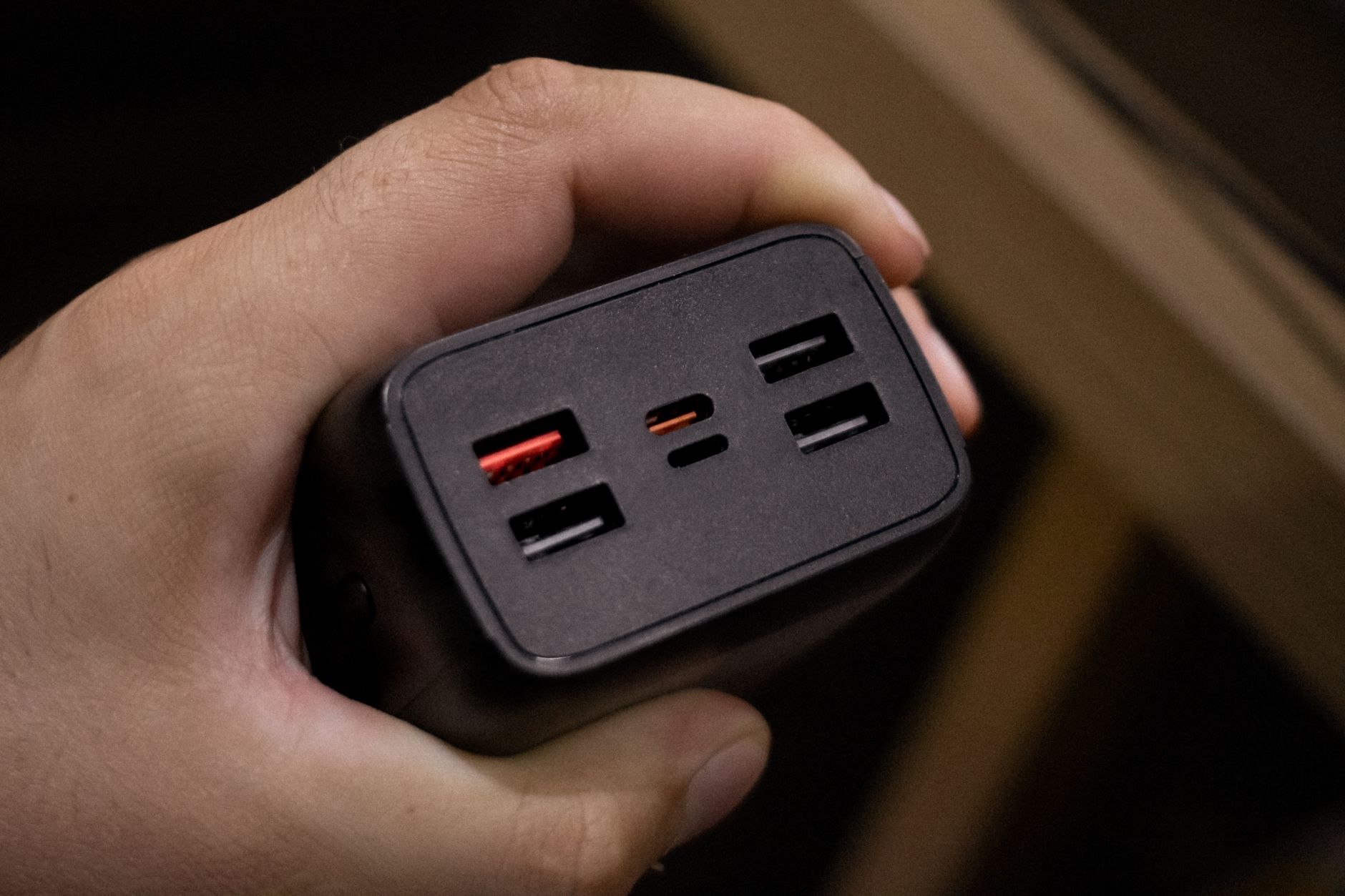
Quick answer Choose Anker Prime for compact size and smart power tracking, or Ugreen Nexode for a lower price, extra ports, and a longer warranty.
Carrying a heavy laptop brick and separate phone plugs is frustrating when you travel or work at a coffee shop. Multi-port wall chargers use gallium nitride technology to replace those bulky blocks with a single, pocket-sized device.
Two brands dominate this space: Anker and Ugreen. This guide compares their popular fast charging lines to help you pick the right model.
Key takeaways
- Anker Prime models focus on a compact, thick cuboid design and smart power features.
- Ugreen Nexode chargers usually offer extra ports and run slightly cooler during heavy use.
- Ugreen is generally 15 to 25 percent cheaper and includes a 24-month warranty versus Anker's 18-month warranty.
- Both lineups feature high-wattage options like 100W and 160W bricks to power demanding laptops.
Anker Prime vs. Ugreen Nexode: Key Differences
Both brands offer multiple tiers, such as the Anker Prime series and the Ugreen Nexode and Nexode Pro lines. The core difference lies in how they balance port counts, physical dimensions, and price.
Anker leans toward compact footprints. For example, the Anker Prime 100W uses a thick, deck-of-cards shape with foldable prongs and three ports. The Anker Prime 67W adds a USB-A port and uses PowerIQ 4.0 technology to check which connected gadget needs power the most.
Ugreen focuses on value and port flexibility. The Ugreen Nexode 100W often includes four ports total, giving you more plugs for accessories. However, that extra port makes the body slightly chunkier than Anker's version.
If you prefer a flat profile, the Ugreen Nexode Pro 65W Ultra-Slim features a wide, thin layout with three ports. While it slides easily into a bag, its wide shape can block adjacent wall outlets on crowded power strips.
| Feature | Anker Prime 100W | Ugreen Nexode 100W |
|---|---|---|
| Total Ports | Typically 3 | Typically 4 |
| Warranty | 18 months | 24 months |
| Price Tier | Higher | 15-25% cheaper |
| Thermal Performance | Standard | Runs 2-5 degrees cooler |
Power Delivery and Port Distribution Explained
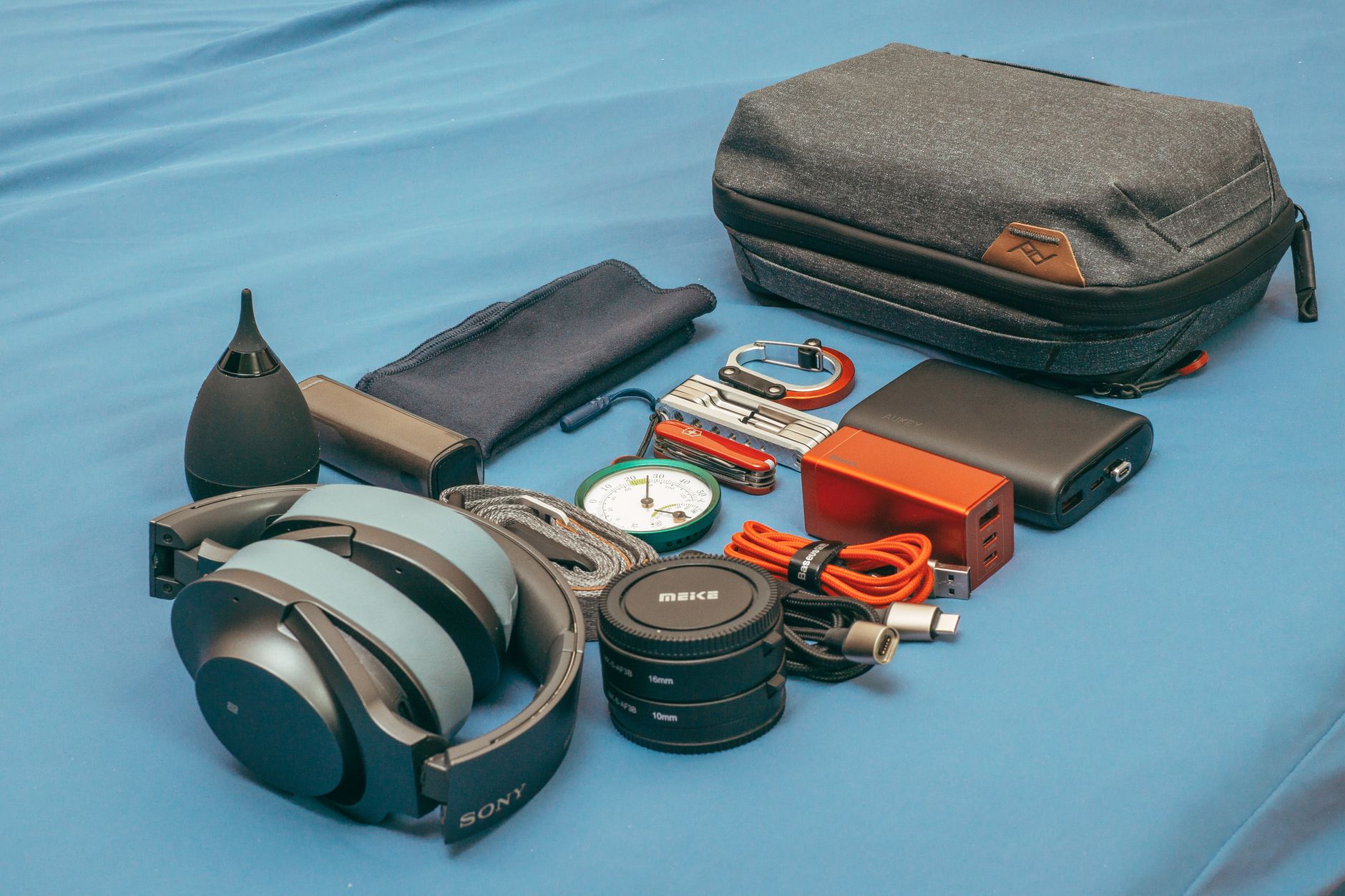
Photo by FOX ^.ᆽ.^= ∫ on Pexels
Many buyers assume that plugging a phone into a 100W charger means the phone instantly gets the full 100W. That is not how multi-port chargers work. When you plug in a second or third device, the charger briefly interrupts power to redistribute the wattage among all active ports.
If you connect a laptop that needs 65W and a phone that needs 20W to a 100W charger, the brick splits its output automatically. Your laptop might drop to 65W while the phone gets its required speed. Your laptop will not stop charging entirely, but high-draw devices charge slower if you share the load.
Anker's PowerIQ 4.0 software takes this a step further. It monitors battery levels across connected devices and shifts power dynamically to the device with the lowest percentage. Ugreen relies on standard fixed power allocation tables printed on the charger body.
Build Quality, Size, and Travel Portability
Physical size matters when you pack a travel bag or plug into a wall behind a desk. Anker Prime models use a dense, cuboid shape that hugs the wall tightly. They do not sag out of loose wall sockets as easily as long, heavy chargers.
Ugreen Nexode chargers often feature a matte gray finish with clean lines. Comparative tests show that Ugreen bricks run two to five degrees Fahrenheit cooler under heavy loads than comparable Anker units. However, Anker edges out Ugreen slightly in the solid feel of its plastics and folding prongs.
Pros
- Very compact, thick cuboid shapes that resist sagging in loose wall outlets
- PowerIQ 4.0 intelligently routes power to low-battery devices
- Strong US brand recognition and wide review coverage
Cons
- Higher price point than direct competitors
Pros
- Usually 15 to 25 percent cheaper for equivalent wattage
- Longer 24-month standard warranty
- Runs slightly cooler during simultaneous multi-device charging
Cons
- Often chunkier or wider to accommodate extra ports
- Flat ultra-slim designs can block adjacent sockets on power strips
Smart Displays and Companion Apps Compared
Both brands have expanded their lineups to include high-wattage 160W options and portable power banks. Many of these newer accessories feature smart color displays or transistor-liquid crystal screens.
These screens show real-time output wattage for each active port. While wall chargers mostly keep things simple with LED indicators, portable power banks use these screens to show remaining battery runtime and health. These displays help you verify if your laptop is actually fast-charging or just trickle-charging.
Price, Value, and Warranty Protection
Value-conscious buyers often lean toward Ugreen because it costs 15 to 25 percent less than Anker for the same wattage. Recent price hikes on premium Anker Prime models have widened this gap further.
Warranty support also favors Ugreen. You get a 24-month standard warranty compared to Anker's 18-month policy. Even so, Anker maintains a larger customer base and more extensive review history in the United States.
Common Mistakes to Avoid
A few common errors can ruin your fast-charging experience:
- Expecting full speed on all ports: Plugging multiple high-draw devices into a single charger splits the total wattage. Do not expect every device to fast-charge at its maximum possible speed simultaneously.
- Ignoring port counts: Buying based on brand name alone without checking whether you need USB-C or USB-A ports for your specific travel cables.
- Neglecting physical dimensions: Buying a wide, flat charger that blocks the wall socket right next to it on a power strip or hotel wall plate.
Tip: Always check the tiny text printed on the side of your multi-port charger to see the exact wattage split for each port combination.
Which Fast Charger Should You Buy?
Choosing between these two power accessory leaders depends on your travel habits, device count, and budget.
Bottom line Choose Anker Prime if you want a dense, pocket-friendly cuboid charger with smart power distribution. Choose Ugreen Nexode if you want extra ports, a cooler running temperature, and a lower price tag with a longer warranty.
FAQ
Do Anker and Ugreen chargers share power when multiple devices are plugged in?
Yes. Whenever you plug in an extra device, the charger briefly stops power delivery for a split second to recalculate and redistribute wattage across all active ports.
Which brand has better reliability and warranty support?
Ugreen offers a longer 24-month standard warranty, while Anker provides an 18-month warranty. Both brands offer solid build quality for daily travel use.
Are Anker Prime smart displays actually useful?
Smart displays on newer high-wattage power banks and chargers show real-time wattage per port, letting you confirm if your laptop is fast-charging.
Which charger is smaller and better for travel?
Anker Prime chargers generally use a thicker cuboid shape that takes up less surface width on wall plates, making them slightly easier to pack in tight spaces.
Will these chargers fast-charge my specific laptop and phone?
Yes, as long as your chosen model meets the minimum wattage requirement of your laptop and supports standard protocols like USB Power Delivery.
Sources
Facts in this article were checked against these pages on October 16, 2026:
- Anker Prime 100W vs UGREEN Nexode 100W (soldermag.com)
- The best fast chargers for 2026 (engadget.com)
- Ugreen 160W Nexode vs Anker 160W Prime (tiktok.com)
- The Ugreen 160w Nexode vs Anker 160w Prime charger. ... (instagram.com)
- Anker vs UGREEN 2026: Charger Comparison | SmartGearOutlet (smartgearoutlet.com)
- Ugreen Nexode power banks review: Surprisingly, I’d buy the smaller one (xda-developers.com)
How we researched this: this guide is based on current manufacturer information and reputable sources, listed in the Sources section above, and is updated when things change. Read our editorial policy.
Content Writter




Comments
No comments yet — be the first to share your thoughts.