
How to Fix iPhone Cellular Data Not Working
Troubleshoot and fix iPhone cellular data issues with this step-by-step guide, covering SIM status, carrier settings, and network resets.
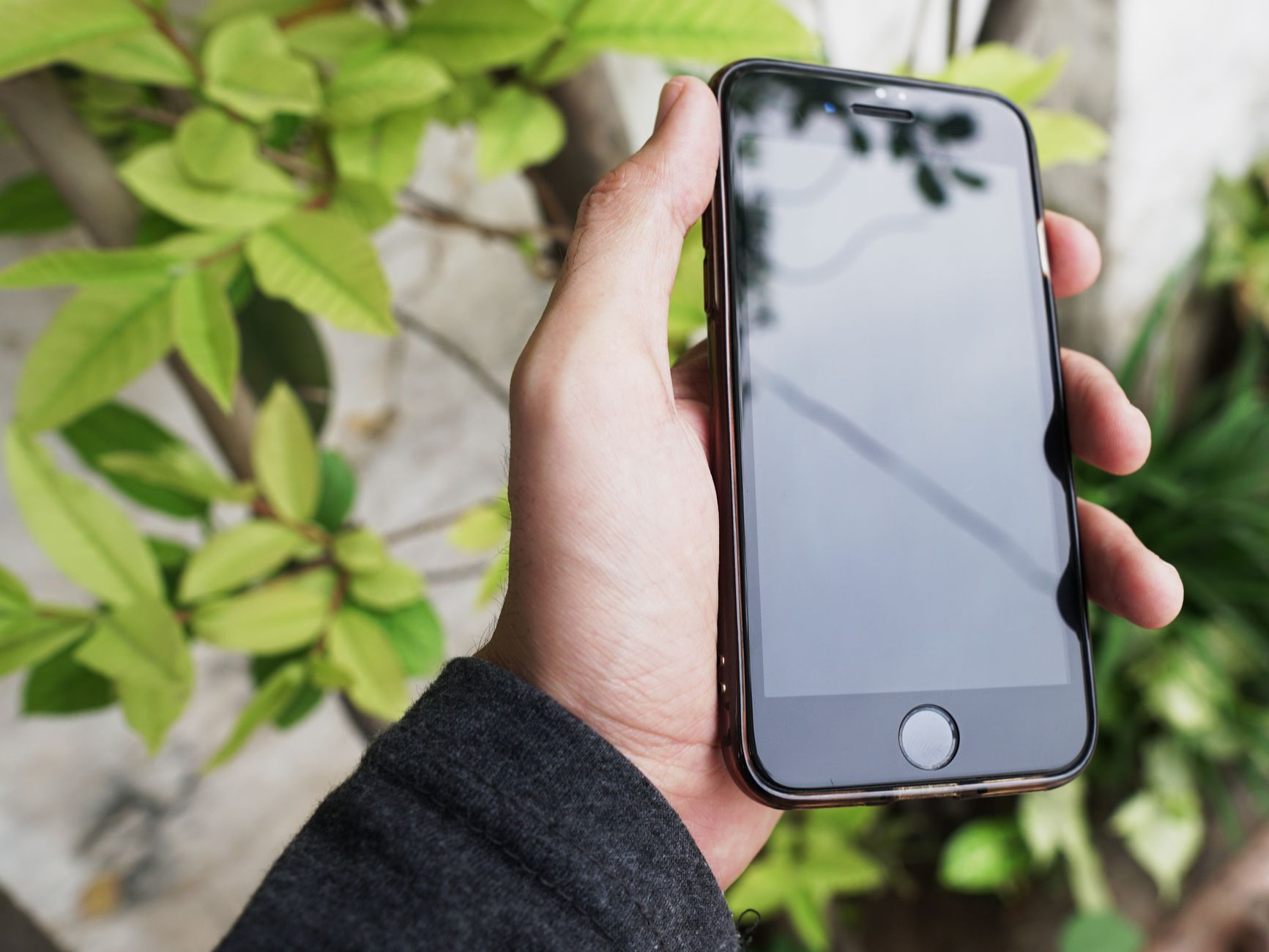
Quick answer To fix iphone cellular data not working, start by toggling Airplane Mode on and off for 15 seconds. If that fails, verify your active cellular line in settings, check for carrier updates, or reset your network configurations.
Sudden loss of mobile internet can disrupt your day instantly. Whether your screen reads No Service, displays an SOS indicator, or simply refuses to load web pages despite showing full signal bars, resolving the issue usually takes just a few targeted steps.
Many connection drops stem from minor software glitches or incorrect dual-SIM configurations rather than broken hardware. By following a structured troubleshooting path, you can pinpoint the exact cause and restore your internet access quickly.
Key takeaways
- Always try quick toggles like Airplane Mode before attempting advanced resets.
- Verify that your active data line is correctly selected on dual-SIM and eSIM devices.
- Updating your carrier settings can resolve stubborn network handshake failures.
- Resetting network settings clears Wi-Fi and Bluetooth data, requiring you to re-enter passwords.
Before You Start
Before diving into the troubleshooting steps, make sure you have everything you need. You will need your iPhone running a modern iOS version, access to a Wi-Fi network for software updates, and your carrier account details if you need to contact support.
Step 1: Check Your SIM, eSIM Status, and Coverage
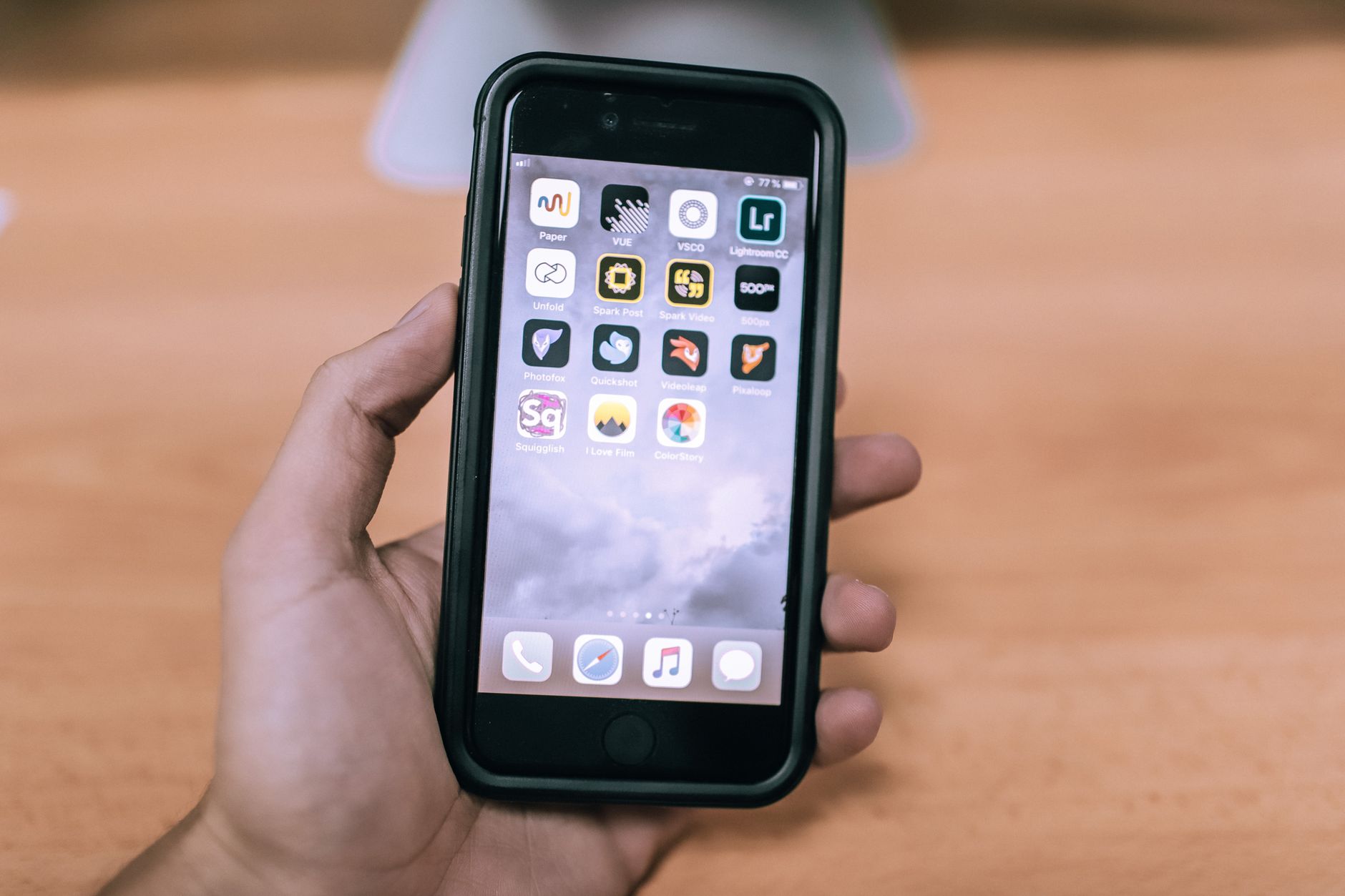
Photo by Luis Quintero on Pexels
Your first line of defense is ensuring your device actually recognizes your mobile plan. Open your settings app and verify your physical card or digital profile is active.
- Open Settings and tap Cellular or Mobile Service.
- Confirm that the main Cellular Data toggle is turned ON.
- On dual-SIM or eSIM devices, tap Cellular Data to select the correct line for internet usage and ensure Turn on This Line is active.
- Check individual app permissions under the cellular menu to make sure specific apps are allowed to use data.
- Review your data limits, billing status, or low data mode settings.
- To choose a network manually, go to Settings, tap Mobile Service, select Network Selection, and turn off Automatic.
Tip: If you use multiple lines, make sure your primary data line has not been accidentally toggled off during international travel or plan adjustments.
Step 2: Toggle Airplane Mode and Cellular Data Settings
Forcing your iPhone to drop and re-establish its connection with local cell towers often clears temporary communication errors.
- Open the Control Center by swiping down from the top right corner of your screen, or navigate to Settings and locate Airplane Mode.
- Turn Airplane Mode ON and wait for 10 to 15 seconds to completely disconnect all wireless radios.
- Turn Airplane Mode OFF to force the phone to search for nearby cell towers.
- Alternatively, turn the Cellular Data switch off and back on inside your cellular settings menu.
Step 3: Update Carrier Settings and iOS
Outdated carrier configuration files can cause sudden disconnects when network providers update their infrastructure.
- Connect your iPhone to a stable Wi-Fi network.
- Go to Settings, tap General, and select About. Wait a few seconds; if an update is available, a prompt will automatically appear on your screen.
- To check for broader software fixes, navigate back to Settings, tap General, and select Software Update to install the latest iOS version.
Warning: Never attempt to download or install an iOS software update over cellular data when your connection is already unstable, as an interrupted download can corrupt system files.
Step 4: Reset Network Settings (and What You'll Lose)
If quick toggles fail, clearing your device's network cache wipes out corrupted configurations that interfere with data routing.
- Open Settings and tap General.
- Scroll down and select Transfer or Reset iPhone.
- Tap Reset at the bottom of the screen.
- Select Reset Network Settings and enter your device passcode to confirm.
Warning: Resetting network settings deletes all saved Wi-Fi networks, paired Bluetooth devices, and custom VPN configurations. Your personal photos, text messages, and apps remain untouched, but you will need to re-enter your Wi-Fi passwords afterward.
Step 5: Contact Your Carrier vs. Apple Support
If software troubleshooting does not resolve the issue, the problem likely stems from your service provider or device hardware.
- Contact your cellular carrier first to check for local service outages, account provisioning blocks, billing suspensions, or data plan limits.
- Contact Apple Support directly if your carrier confirms your account and local towers are operating normally, as this suggests a deeper hardware failure or baseband chip malfunction.
Pros
- Step-by-step logic prevents unnecessary data loss
- Addresses both physical SIM and modern eSIM setups
- Helps identify carrier-side outages quickly
Cons
- Network reset requires re-entering Wi-Fi passwords
- Contacting carrier support can involve long wait times
Common Mistakes to Avoid
Many users jump straight to aggressive fixes like erasing their entire phone or deleting an eSIM profile. Deleting an eSIM profile can break your cellular connection permanently until your carrier issues a replacement digital card. Always exhaust simple toggles, app permissions, and carrier checks before attempting resets.
Bottom line Follow this troubleshooting path sequentially, starting with basic toggles and app checks before moving to network resets. This approach saves time and prevents you from losing saved Wi-Fi networks unnecessarily.
Related guide: How to Fix MagSafe Battery Pack Not Charging
FAQ
Why does my iPhone say SOS or No Service?
This indicator means your phone cannot connect to your cellular provider's network. It can be caused by local tower outages, an improperly seated physical SIM, or an inactive eSIM profile.
Will resetting network settings delete my photos or contacts?
No. Resetting network settings only clears saved Wi-Fi passwords, Bluetooth connections, and cellular configurations. Your personal photos, text messages, and apps remain safe.
How do I update carrier settings manually on iPhone?
You cannot force a manual download without a prompt, but you can check for updates by going to Settings, tapping General, and selecting About. If an update exists, a notification will appear.
Why is cellular data working for some apps but not others?
This usually happens when individual app permissions have restricted mobile data access. Check your settings under Cellular to ensure every app you want to use is toggled on.
How do I switch data between a physical SIM and an eSIM?
Go to Settings, tap Cellular or Mobile Service, select Cellular Data, and choose the specific line you want to use for internet connectivity.
Sources
Facts in this article were checked against these pages on November 13, 2026:
- How to Fix Cellular Data Not Working on Your iPhone? (youtube.com)
- Why Your Cellular Data is Not Working on iPhone and How to Fix It (cellulardata.ubigi.com)
- iPhone Not Connecting to Cellular Data? Try This Fix (eskimo.travel)
- Cellular Data Not Working on Your iPhone? 7 Ways to Fix It (businessinsider.com)
- iPhone cellular data not working: Causes and easy fixes (esim.holafly.com)
- How To Fix Cellular Data Not Working On iPhone (youtube.com)
How we researched this: this guide is based on current manufacturer information and reputable sources, listed in the Sources section above, and is updated when things change. Read our editorial policy.
Content Writter


Comments
No comments yet — be the first to share your thoughts.