
How to Choose the Right Heated Mattress Pad
Learn how to choose the right heated mattress pad with our buyer's guide covering wire masking, dual controls, safety certifications, and cord routing.
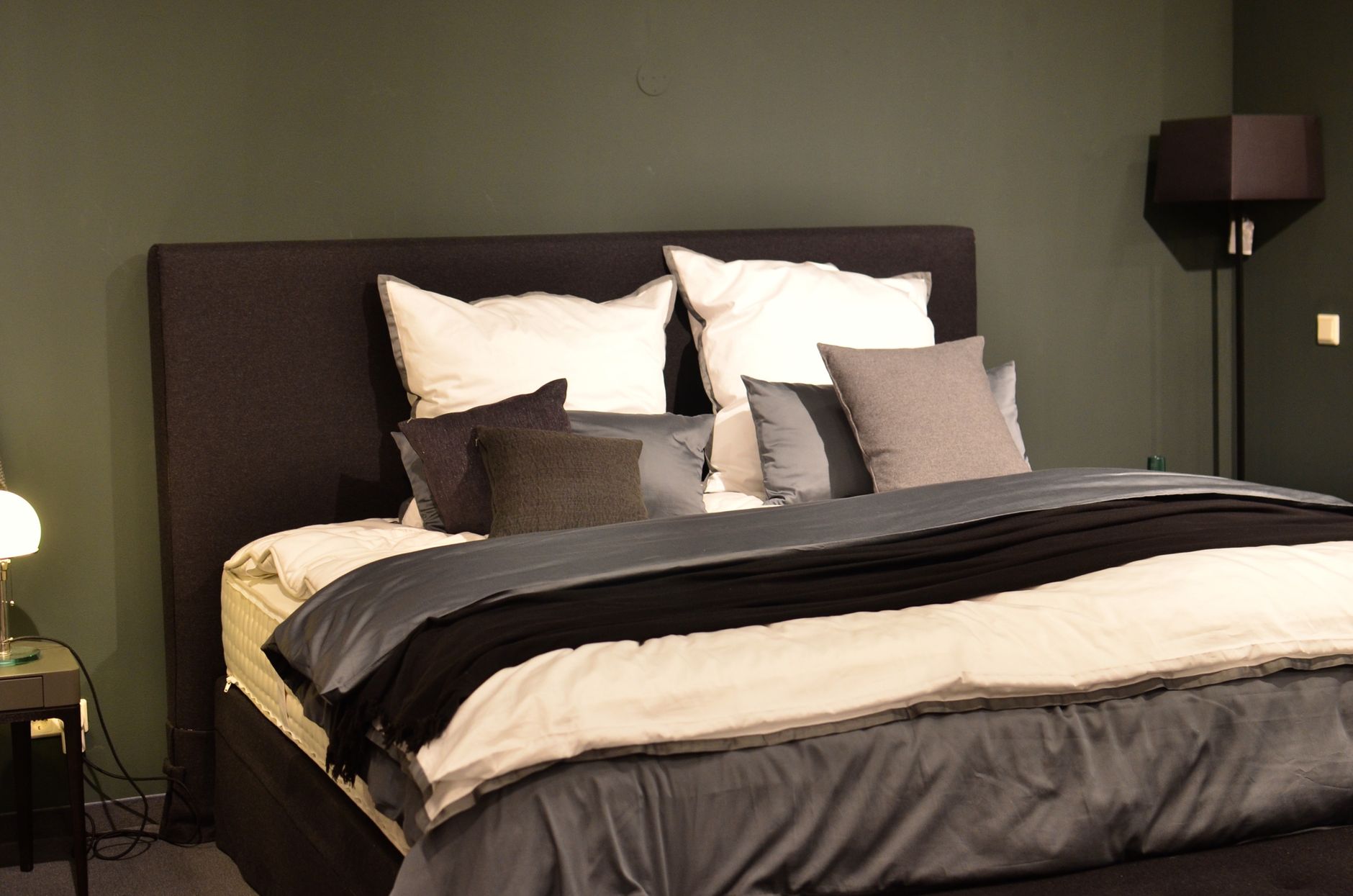
Quick answer To choose the right heated mattress pad, look for a model with a full elastic skirt that matches your mattress depth (up to 18 inches), dual controllers if sharing a Queen or King bed, and third-party safety certification (like ETL or UL) with an auto shut-off timer. Pick quilted diamond or baffle-box construction to hide embedded heating wires, and make sure the controllers detach cleanly for washing.
Cranking up the central thermostat all night wastes money heating empty rooms. Placing targeted warmth directly beneath your sheets lets you lower ambient room temperatures while staying warm in bed, making a heated mattress pad one of the most cost-effective winter sleep upgrades you can buy.
Yet picking the wrong design can ruin your sleep with rigid, poking wires, stiff fabrics that trap sweat, or controllers with short cords that pull off your nightstand. Understanding how to choose heated mattress pad models that match your mattress depth and sleeping habits will save you from these frustrations.
Key takeaways
- Heated pads heat from underneath the fitted sheet, distributing warmth more efficiently than electric over-blankets because your duvet traps the rising heat.
- Diamond quilting, thick fleece, or peachskin velvet polyester effectively mask internal wires so you do not feel them while shifting in bed.
- Queen and King sizes usually provide dual-zone heating with two separate controllers, letting bed partners run different heat levels.
- Always measure your mattress thickness: deep-pocket skirts up to 18 inches prevent bunching, which causes dangerous heat concentrations.
- Basic wire pads range from under $100 to $150, whereas water-based active heating and cooling systems exceed $1,000.
Heated Mattress Pad vs. Electric Blanket: Key Differences
People often confuse heated mattress pads with electric blankets, but they serve different functions in your bedding layers. An electric blanket lies on top of your body, floating under a comforter or resting on top of a flat sheet. A heated mattress pad secures directly around your mattress base, resting beneath your fitted sheet.
Because heat rises, warming the bed from underneath is thermodynamically more efficient. The heat radiates upward into your body, while your regular duvet or blanket acts as an insulating barrier that traps warmth in the bed cavity. Electric blankets, by contrast, frequently slip off during the night or bunch up when you roll over, creating uneven cold spots.
Safety and durability also differ between the two designs. Mattress pads use sturdy fitted skirts that anchor the heating grid flat against the bed. Electric blankets experience constant bending, folding, and pulling as you toss and turn, which puts mechanical stress on internal copper wiring over time.
Wire Thickness and Heating Zones: What Makes It Comfortable
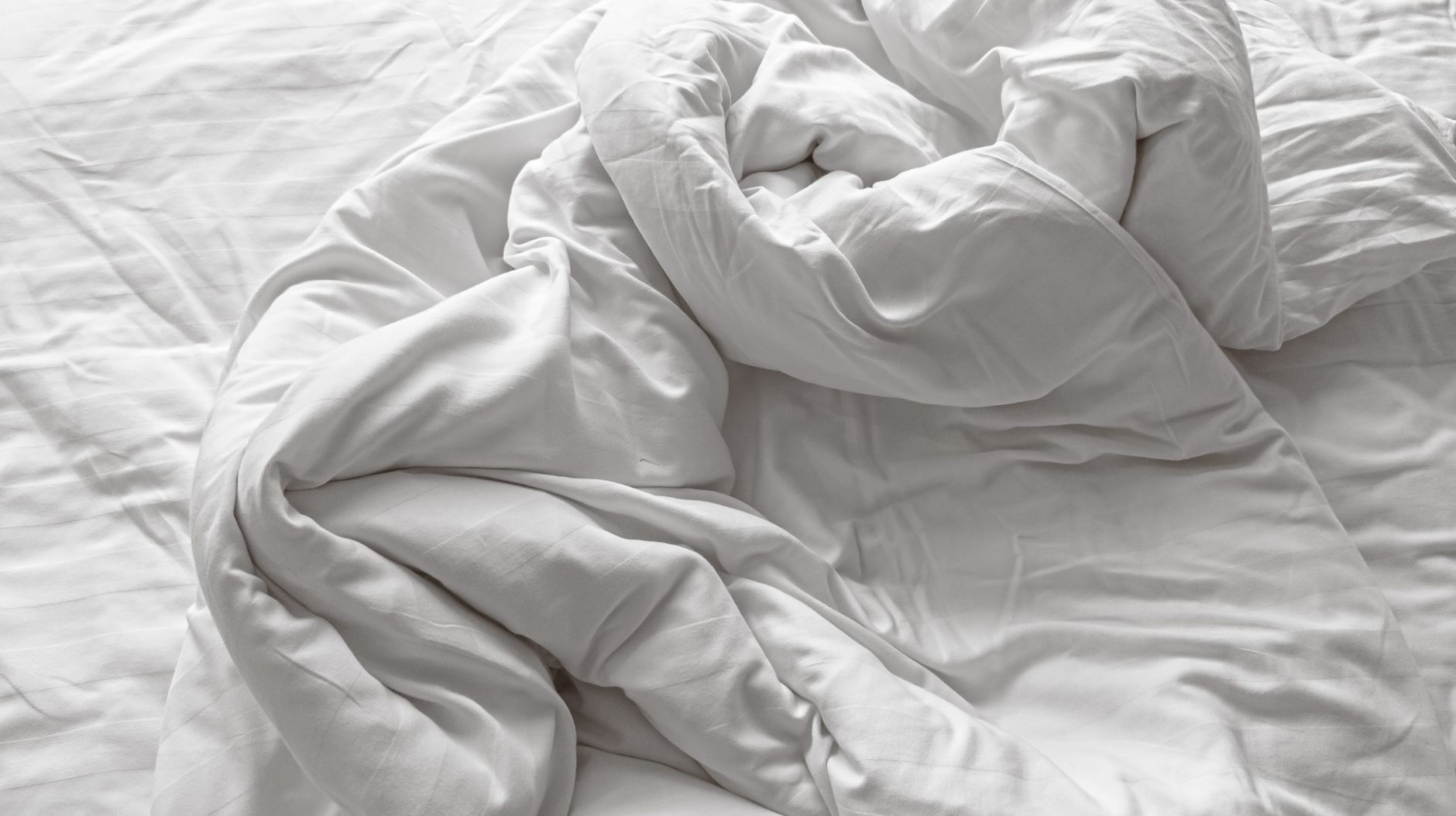
Photo by wd toro🇲🇨 on Pexels
The primary concern shoppers have with wire-based electric pads is comfort. Nobody wants to sleep on what feels like an extension cord. How the pad is manufactured determines whether those heating elements stay invisible to your back.
Manufacturers use two main approaches to disguise internal elements: thick top padding and structured channel stitching. Vertical wire channels guide elements lengthwise down the bed, while quilted diamond or baffle-box patterns lock the wiring inside cushioned compartments. Fabrics like peachskin velvet polyester (seen on models like the Westinghouse Queen Size Heated Mattress Pad) or plush polyester top layers add enough loft to make wires virtually undetectable.
Breathability matters just as much as cushioning. If you are prone to overheating, 100% synthetic microfiber or polyester tops can trap moisture. A cotton-top pad or a moisture-wicking poly-cotton blend breathes better, venting body vapor while retaining ambient warmth. If your sleep quality suffers from temperature swings, pairing a breathable pad with dedicated sleep insights from a smart sleep tracker can help you pinpoint your optimal bedtime temperature.
Low-Voltage (DC) vs. Standard 120V (AC) Heating
Electric mattress pads generally operate on one of two electrical configurations: standard line-voltage alternating current (120V AC) or low-voltage direct current (DC) converted via an external transformer brick.
| Feature | Standard 120V AC Wiring | Low-Voltage (12–24V DC) Wiring | Water-Based Hydro Systems |
|---|---|---|---|
| Typical Price Range | $60–$150 (e.g., Biddeford, Serta) | $120–$250 | $1,000–$2,500+ (e.g., Eight Sleep Pod 3 / Pod 4) |
| Wire Feel | Thin to medium insulated wire | Ultra-thin micro-wires | Zero wires (flexible silicone fluid tubes) |
| Power Delivery | Direct wall plug to controller | External power brick converts AC to DC | Central base hub pumping conditioned water |
| Safety / Wet Contact | Relies on auto shut-off & insulated coatings | Inherently non-hazardous voltage | Completely isolated electrical components |
| Cooling Capability | None (heat only) | None (heat only) | Active dual cooling and heating |
Dual Controls and Timer Features for Couples
Sharing a bed with someone who runs a completely different internal furnace is a recipe for sleep friction. For Queen and King beds, dual-zone heating is an essential feature. These pads split the internal heating elements into independent left and right grids, each powered and regulated by its own controller.
Most contemporary controllers offer between 10 and 12 distinct heat settings. A subtle setting (levels 1–3) provides gentle background warmth that counters a cold bedroom, while higher settings (levels 8–10) are designed for preheating cold sheets before you climb in. Premium models include dedicated preheat buttons that run full power for 30 to 60 minutes before automatically dropping back down to your chosen baseline setting.
Auto shut-off timers protect you from prolonged thermal exposure and reduce unnecessary energy draw. Look for controllers that allow selectable shut-off windows, anywhere from 1 to 12 hours. Fixed 10-hour shut-offs are common on entry-level models, but customizable increments let you shut the pad off two hours after falling asleep if you only need help drifting off.
Tip: Pay close attention to controller cord routing. The pad power connection connects at the foot of the bed, and controller cords must route along the floor up to your bedside tables. Measure the distance from the foot of your bed to your nightstands: you need at least 12 to 14 feet of cord slack so the handheld remotes do not dangle in midair or get yanked unplugged when you shift.
Safety Features and Certifications You Shouldn't Skip
Modern electric bedding is substantially safer than vintage models from decades past, but they remain powered electrical devices in direct contact with your bed. Never purchase an electric pad that lacks verified third-party electrical safety marks.
Look for recognized safety marks such as UL (Underwriters Laboratories) or ETL (Intertek). These certifications confirm that the pad has undergone standardized testing for resistance to flame, wire pinch-point failure, thermal runaway, and electrical insulation breakdown. Brands like Sealy, Serta, and Sunbeam prominently display these marks on their packaging and product tags.
Thermal regulation circuits within certified pads continuously monitor resistance across the heating elements. If a section of wire gets pinched, bunched, or trapped beneath a heavy pile of folded blankets, localized heat will spike. Safety circuits detect this resistance variance and cut power instantly to prevent scorching.
Warning: Never bunch, fold, or tuck the active heated portion of the mattress pad under the mattress. Only the smooth elastic skirt should wrap beneath the edges. Tucking active heating elements around corners causes extreme heat buildup that can melt materials or ignite bedding.
Waterproofing and Washing: What to Watch Out For
Bedding gets dirty, and night sweats, beverage spills, and pet accidents happen. In the past, buying a heated pad meant sacrificing liquid protection. Today, manufacturers frequently laminate a thin, breathable polyurethane waterproof membrane directly beneath the quilted fabric layers.
Models like the Serta Waterproof Heated Mattress Pad and the Sunbeam Restful Quilted Water-Resistant pad combine waterproof barriers with heating coils. This barrier prevents liquids from penetrating into your expensive mattress core while shielding the internal electrical wiring from moisture intrusion.
When it comes time to wash your pad, follow a strict maintenance routine to preserve the delicate wire solder joints:
- Disconnect all controllers first: Unplug the wall power cord, then unclip the wiring harness directly at the foot of the mattress pad. Never submerge a connected controller plug.
- Pre-soak briefly: Soak the pad in lukewarm water with mild detergent for 10 to 15 minutes to loosen body oils.
- Use the gentle cycle: Wash on a delicate cycle for only 2 to 3 minutes of gentle agitation. Heavy spinning can stretch and snap internal heating elements.
- Dry with low heat or air dry: Tumble dry on delicate/low heat for 10 to 15 minutes, then hang the pad flat across two clotheslines to finish air drying. High dryer heat can melt the wire insulation and the waterproof thermoplastic backing.
What to Look for: Buyer's Checklist
Before purchasing, run through this checklist to make sure the pad fits your mattress configuration and daily routines:
- Skirt depth compatibility: Measure your bare mattress from crown to base. Standard pads fit 12- to 15-inch beds, but pillow-top or hybrid mattresses require deep-pocket skirts rated up to 17 or 18 inches.
- Full elastic skirts vs. corner straps: Avoid budget pads that use four corner elastic bands. They slip and shift during the night. Insist on a 360-degree elasticized skirt that mimics a high-end fitted sheet.
- Connector placement and profile: Examine where the power harness connects at the foot of the bed. It should sit flush at the bottom edge or corner so your feet do not kick a hard plastic block all night.
- Dual controllers on Queen/King: Ensure Queen and King sizes feature two independent plugs and remotes rather than a single unified cord split down the middle.
- Auto shut-off flexibility: Confirm the timer offers adjustable 1- to 12-hour intervals rather than a single non-adjustable shut-off period.
Which Heated Mattress Pad Fits Your Sleeping Style
Different sleepers require completely different configurations. Here is how current options align with specific user profiles:
The Budget-Conscious Winter Sleeper
If your primary goal is knocking the chill off the mattress without overspending, a basic wire pad like the Biddeford Heated Mattress Pad or standard Sunbeam pad fits the bill. Costing well under $100 for smaller sizes and roughly $70 to $90 for Queen setups, these models feature straightforward direct-wire controllers, reliable analog-style heat ranges, and standard 10-hour timers. They lack plush padding, so they are best paired beneath a standard mattress protector if you are sensitive to wire textures.
The Pillow-Top or Deep Mattress Owner
If you sleep on an extra-tall hybrid or pillow-top mattress (15 to 18 inches thick), standard skirts will pop off the corners overnight. Look for models like the Westinghouse Queen Size Heated Mattress Pad or the Serta Waterproof pad. Priced generally between $100 and $150, these feature stretchy, deep-pocket skirts rated for up to 18-inch profiles alongside plush quilted diamond velvet surfaces that completely mask internal wires.
The High-Tech Climate Optimizer
For individuals who run hot in the summer and cold in the winter, standard wire pads only solve half the equation. Advanced water-based systems pump temperature-regulated fluid through an ultra-thin network of flexible silicone channels. The Eight Sleep Pod 3 (and its newer successor generation, the Pod 4) represents this class. Running from $1,000 to over $2,500, these smart covers eliminate wire feel entirely, provide active dual-zone cooling down to 55°F alongside heating up to 110°F, and integrate biometric sleep sensors. However, they are vastly more expensive and require periodic water refills and app connectivity.
Pros of Deep-Pocket Quilted Wire Pads
- Affordable pricing (typically $90–$150 for Queen/King models).
- Quilted velvet and polyester channeling masks wiring effectively.
- Independent dual-zone temperature control for couples.
- Simple machine-washable designs once cords are unclipped.
Cons of Deep-Pocket Quilted Wire Pads
- Cannot cool the bed during warm summer months.
- Foot-end connector plugs can be uncomfortable if kicked.
- Controller cables running to headboards can look cluttered.
Common Mistakes to Avoid
- Buying elastic corner straps instead of a full skirt: Corner straps lose elasticity rapidly and allow the pad to bunch in the center of the bed, creating localized hotspots and tripping the safety shut-off.
- Neglecting mattress depth: Stretching a 14-inch skirt over an 18-inch mattress puts excess tension on the pad seams, pulling the heating elements taut and increasing the risk of broken internal wires.
- Placing an extra thick mattress topper over the pad: A heated pad must sit directly beneath the fitted sheet. Stacking memory foam toppers or thick down alternative toppers over the heated pad blocks warmth from reaching you, trapping heat inside the mattress core and potentially triggering thermal shut-down switches.
- Yanking on cords to disconnect: Always grasp the plastic connector housing firmly when unclipping cords for laundering. Pulling directly on the wiring harness can fray internal terminal pins.
Bottom line For most households, a mid-range quilted electric mattress pad with dual controllers, an ETL/UL safety certification, and a 17- to 18-inch deep-pocket skirt (such as offerings from Westinghouse, Serta, or Sunbeam in the $100 to $150 range) offers the best combination of wire-masking comfort, safety, and energy savings. Skip ultra-budget strap-on pads that slip out of place, and only consider $1,000+ water-circulating systems if you specifically need summertime active cooling.
FAQ
Is a heated mattress pad better than an electric blanket?
For most sleepers, yes. Heated mattress pads secure flat around the mattress like a fitted sheet, preventing the shifting and bunching common with electric blankets. Because heat naturally rises, warming your bedding from underneath while your top blanket traps the rising warmth is more energy-efficient and provides more consistent full-body warmth.
Can you leave a heated mattress pad on all night safely?
Modern third-party certified pads (bearing ETL or UL marks) are designed with overheat protection circuits that make low-setting overnight use safe. However, using the built-in auto shut-off timer (such as setting it for 1 to 4 hours) is recommended to prevent excessive body dehydration, night sweats, and unnecessary electricity consumption.
Do heated mattress pads work with memory foam mattresses?
You should check your mattress manufacturer's guidelines before pairing them. Memory foam reacts to heat and pressure to contour to your body. Applying continuous external heat from a mattress pad softens the foam significantly, reducing its supportive properties. In some cases, prolonged high heat can permanently degrade the cellular structure of certain visco-elastic foams.
Can you wash a heated mattress pad in a standard washing machine?
Yes, provided you disconnect and remove all power cords and controllers first. Use a front-loading or top-loading machine without a center agitator on a short, gentle cycle with mild detergent. Tumble dry on delicate low heat for 10 to 15 minutes, or hang the pad flat across lines to finish air drying. Never dry clean an electric mattress pad, as dry cleaning solvents can degrade the internal wire insulation.
What is the difference between low-voltage and 120V heated pads?
Standard 120V AC pads plug directly into home outlets, using household alternating current to power the elements. Low-voltage pads utilize an external transformer brick to step incoming power down to 12 to 24 volts DC. Low-voltage pads carry virtually zero risk of electric shock even if wet and produce negligible electromagnetic fields (EMF), though they heat up slightly slower and cost more.
Sources
Facts in this article were checked against these pages on November 24, 2026:
- How to Choose the Perfect Heated Mattress Pad for You | Lifehacker (lifehacker.com)
- The Best Heated Mattress Pads for a Better Night's Sleep, Tested (bobvila.com)
- Best Heated Mattress Pads| Sleep Foundation (sleepfoundation.org)
- Best Mattress Pads (2026) - Which One is Best of the Best? (sleepopolis.com)
- We Tested the 7 Best Mattress Heaters [2026 Reviews and Guides] (youtube.com)
- The Best Heated Mattress Pads (2026) - Mattress Clarity (mattressclarity.com)
How we researched this: this guide is based on current manufacturer information and reputable sources, listed in the Sources section above, and is updated when things change. Read our editorial policy.
Content Writter

Comments
No comments yet — be the first to share your thoughts.