
How to Choose the Right Electric Toothbrush
Navigate sonic vs. oscillating technology, essential features, and ongoing costs to find the ideal electric toothbrush for your dental routine.
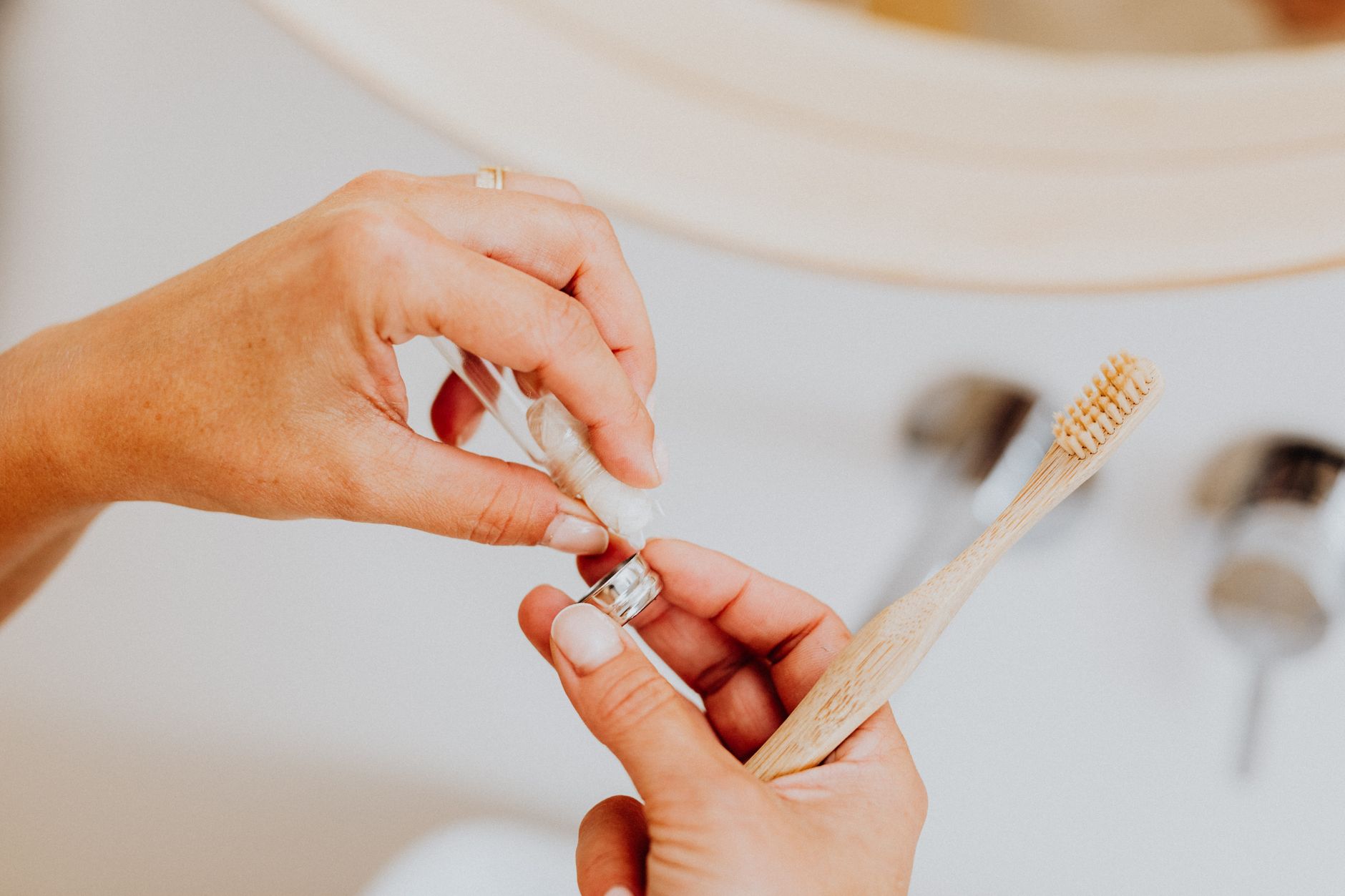
Quick answer To choose the right electric toothbrush, prioritize a built-in two-minute timer, a pressure sensor to protect your gums, and soft bristles. Decide between oscillating models for high plaque removal or sonic models for a gentler fluid sweep without paying extra for unnecessary smart apps.
Upgrading from a manual toothbrush transforms your daily dental routine, but the sheer variety of available models makes picking the right one a challenge. You will find everything from basic budget options to internet-connected flagships with artificial intelligence coaching.
Knowing how to choose an electric toothbrush comes down to filtering out expensive marketing gimmicks and focusing on the core mechanical and ergonomic features that protect your enamel and gums.
Key takeaways
- Oscillating-rotating brushes use a small round head to pulse and rotate, while sonic brushes vibrate at high speeds to sweep plaque away.
- A built-in two-minute timer with a 30-second quad-pacer is non-negotiable for proper brushing habits.
- Pressure sensors prevent you from pressing too hard and causing gum recession.
- Replacement brush head costs add up over time, making ongoing maintenance an important factor.
- Basic models priced between $40 and $50 deliver 99 percent of the clinical dental benefits of a $200 smart brush.
Sonic vs. Oscillating: Which Technology Is Right for You?
The market is split into two primary cleaning technologies, each offering a distinct brushing sensation. Understanding how they operate helps you match a device to your dental sensitivity and personal preferences.
Oscillating-rotating toothbrushes, made prominent by brands like Oral-B, feature a small round head that physically turns back and forth while pulsing against your teeth. Clinical evidence generally ranks oscillating-rotating models slightly higher for raw plaque reduction because the mechanical action physically scrubs away buildup.
Sonic toothbrushes, such as those from Philips Sonicare, SURI, and Ordo, look more like traditional manual brushes. They vibrate at extremely high speeds, forcing fluid and saliva deep between your teeth and along the gumline. If you have sensitive teeth or find the mechanical rotation of oscillating brushes too intense, sonic vibrations provide a gentler clean.
Key Specs and Features That Actually Matter

Photo by Marcus Aurelius on Pexels
Marketing materials often highlight dozens of specialized cleaning modes, but only a handful of features truly impact your oral health. When evaluating models, verify that they include the fundamental safeguards designed by dental professionals.
- Two-Minute Timer: Essential for ensuring you brush for the dentist-recommended duration. Most quality models feature a quad-pacer that pauses or vibrates every 30 seconds so you know when to switch quadrants of your mouth.
- Pressure Sensor: This alerts you with a visual light or by slowing down the motor when you press too hard. Hard scrubbing ruins brush heads and irritates gums.
- Soft Bristles: Always select soft or extra-soft bristles. Medium and hard bristles erode enamel and cause gum recession over time.
- Battery Life: Look for lithium-ion batteries that hold a charge for at least two weeks of regular use, though sustainable models like the SURI 2.0 stretch this up to 40 days with USB-C charging.
What to Look For
Tip: Look for models that offer a simple battery level indicator so your brush never dies mid-brushing session.
When shopping for your next oral care device, run through this practical checklist to ensure you get a reliable machine:
- Check for a reliable brand warranty covering at least one to two years.
- Ensure replacement heads are widely available in stores and online.
- Verify the charger style fits your bathroom setup (USB-C versus proprietary charging bases).
- Confirm the handle has a rubberized or textured grip to prevent slipping when wet.
Smart Features: Are Connected Toothbrushes Worth It?
High-end brushes often include Bluetooth connectivity to pair with smartphone apps. These apps track your brushing habits in real time, map your mouth to show missed spots, and offer performance scores.
For some users, gamified tracking helps build consistent daily habits and encourages longer brushing sessions. However, most people stop using the app features after the first few weeks.
If you already have great brushing habits, a smart app adds unnecessary cost and complexity to your morning routine. The physical motor and timer do all the heavy lifting without needing a software update.
Brush Head Options and Long-Term Replacement Costs
The initial purchase price of an electric toothbrush is only part of the equation. You must replace your brush head every two to four months as the bristles fray and lose their effectiveness.
Proprietary replacement heads from major manufacturers can cost anywhere from $5 to $12 each. Over the course of a few years, replacement costs can easily exceed the original price of a budget handle.
While generic third-party replacement heads are cheaper, they often lack proper rounding on the bristle tips, which can scratch your enamel. Stick to manufacturer-approved heads or reputable compatible alternatives to protect your dental health.
Best Electric Toothbrushes for Different Budgets
Different budgets demand different feature sets. The current market spans simple entry-level tools to luxury flagships.
| Model | Type | Price Range | Standout Feature |
|---|---|---|---|
| Oral-B Pro 1000 | Oscillating | Budget ($40–$50) | Reliable pressure sensor and two-minute timer |
| Philips Sonicare 4100 | Sonic | Budget ($45–$60) | Gentle sonic cleaning with pressure feedback |
| SURI 2.0 | Sonic | Mid-Range | Sustainable design, repairable parts, 40-day battery |
| Oral-B iO Series 4 | Oscillating | Mid-Range | Quiet magnetic drive, great for small mouths |
| Philips Sonicare DiamondClean 9900 Prestige | Sonic | High-End | Premium travel case, advanced smart sensors |
Pros
- Removes significantly more plaque than manual brushing
- Built-in timers eliminate guesswork
- Reduces staining from coffee and tea
Cons
- Ongoing cost of replacement brush heads
- Some models take up counter space with proprietary chargers
- High-end models carry a steep price tag for features you may not use
Common Mistakes to Avoid
Warning: Using an electric toothbrush like a manual scrubber ruins the bristles and damages your gums.
Even with the best equipment, poor technique ruins your results. Avoid these common pitfalls:
- Scrubbing back and forth: Let the brush do the work. Simply guide the brush head slowly from tooth to tooth at a 45-degree angle.
- Ignoring the pressure sensor: Pushing harder does not clean better. Trust the motor to remove plaque.
- Extending head life: Using frayed brush heads past the three-month mark drastically reduces cleaning efficiency.
Who Should Skip Expensive Smart Brushes
Luxury toothbrushes costing upwards of $200 offer sleek travel cases, color displays, and deep app integration. You should skip these premium models if you prefer a straightforward, maintenance-free device that simply charges on your counter and cleans your teeth.
Travelers who hate packing proprietary charging stands should also look toward USB-C rechargeable options like the SURI 2.0. If you do not care about digital coaching or tracking your habits on a smartphone screen, a mid-range or budget model delivers identical dental hygiene outcomes.
Bottom line For most buyers, a reliable $40 to $50 brush like the Oral-B Pro 1000 or Philips Sonicare 4100 offers the perfect balance of essential features, pressure protection, and affordability without unnecessary smart app clutter.
Related guide: How to Choose the Right Ergonomic Vertical Mouse
FAQ
Are expensive electric toothbrushes actually better?
Expensive models usually offer quieter motors, travel charging cases, and smart app tracking, but they clean teeth just as well as basic models equipped with a timer and pressure sensor.
Should I get a sonic or oscillating toothbrush?
Choose an oscillating brush if your primary goal is maximum plaque removal. Choose a sonic brush if you have sensitive gums and prefer a gentler fluid-sweeping action.
How often do I need to replace brush heads?
You should replace your brush head every two to four months, or sooner if the bristles appear frayed or splayed.
Do I need a Bluetooth smart toothbrush?
No. Bluetooth connectivity and app tracking are optional features that help with habit-building but do not improve the actual mechanical cleaning performance of the brush.
What features matter most for sensitive gums?
Soft bristles, a sensitive cleaning mode, and a responsive pressure sensor are the most critical features for protecting and managing sensitive gums.
Sources
Facts in this article were checked against these pages on October 29, 2026:
- Which Toothbrush is Right for You? | Ideal Dentistry (myidealdentistry.com)
- How to Pick the Right Electric Toothbrush (winchesterdentalstudio.com)
- Things to Consider When Buying an Electric Toothbrush - Oral-B (oralb.com)
- What to look for When Buying a Toothbrush (and Why Electric Is Better) (drbassdds.com)
- Electric Toothbrush Buying Guide (colgate.com)
- Electric Toothbrush Buying Guide - Consumer Reports (consumerreports.org)
How we researched this: this guide is based on current manufacturer information and reputable sources, listed in the Sources section above, and is updated when things change. Read our editorial policy.
Content Writter


Comments
No comments yet — be the first to share your thoughts.