
DJI Mic 2 vs. Røde Wireless PRO: Which Should You Buy?
Comparing the DJI Mic 2 vs Røde Wireless PRO to help creators and filmmakers choose the right 32-bit float dual-channel wireless mic.
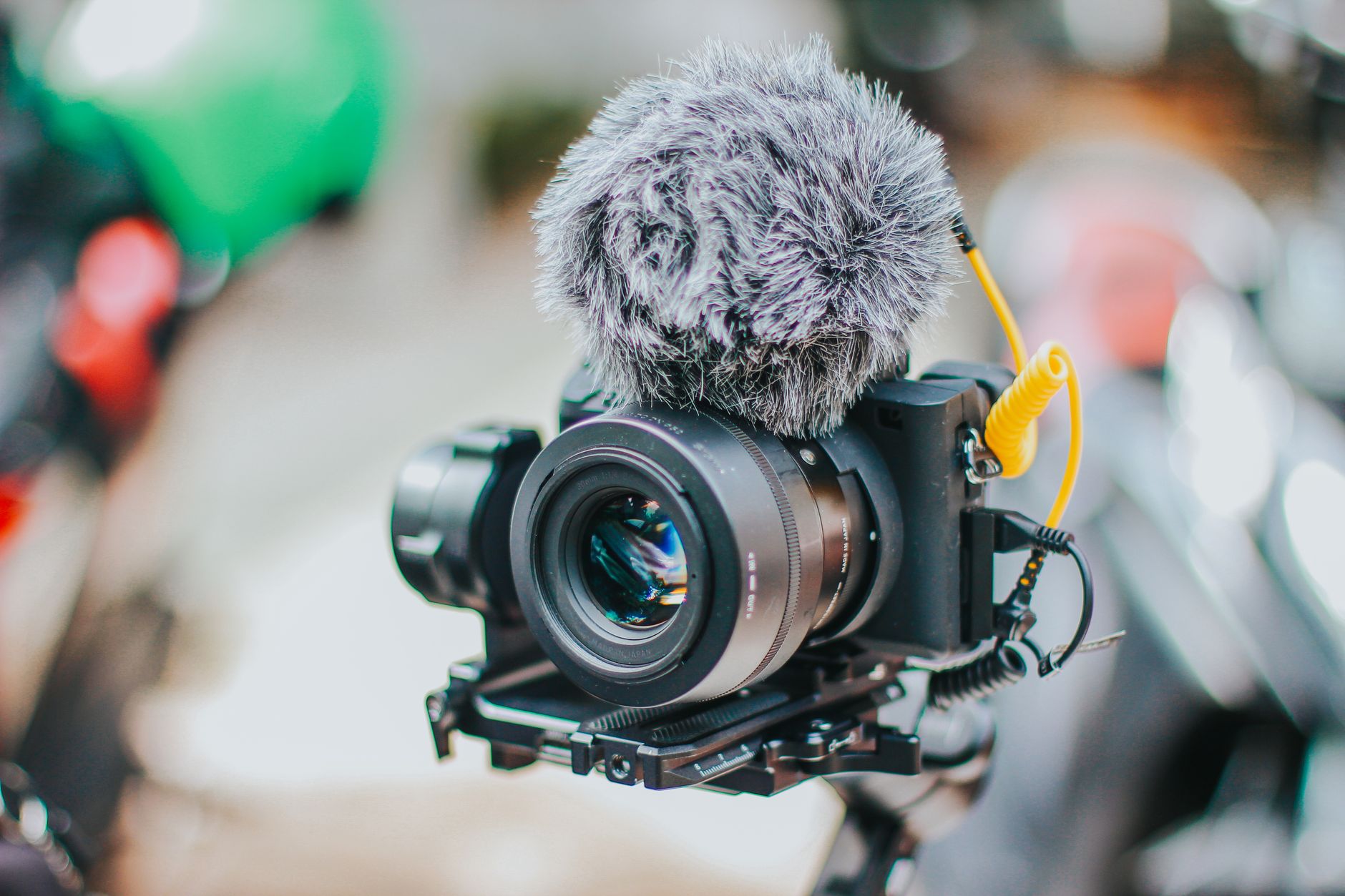
Quick answer Choose the Røde Wireless PRO if you shoot multi-camera video, need hardware timecode, and want bundled lavalier microphones. Choose the DJI Mic 2 if you want an easy touchscreen interface, direct Bluetooth pairing, and one-touch active noise cancellation for quick mobile setups.
Finding the right dual-channel wireless microphone system comes down to how you make videos. Both the DJI Mic 2 and Røde Wireless PRO record 32-bit float backup audio, but they serve different creator workflows.
This comparison breaks down real-world handling, recording memory, timecode options, and latency performance. By the end, you will know which mic system fits your daily recording gear.
Key takeaways
- Røde Wireless PRO offers 32 GB of internal storage per transmitter, while DJI Mic 2 includes 8 GB.
- Røde features dedicated hardware timecode jam-syncing for multi-camera video production.
- DJI Mic 2 includes direct Bluetooth connectivity and a crisp touchscreen with a physical dial.
- Røde ships with two broadcast-grade lavalier microphones; DJI requires buying lavaliers separately.
- DJI Mic 2 has on-board active noise cancellation, while Røde relies on post-production noise removal.
Key Specs and Feature Comparison
Choosing between these two wireless microphone kits depends on how much gear you want to carry and manage. Both systems use dual-channel setups with a compact charging case to top up power on the go.
| Feature | DJI Mic 2 | Røde Wireless PRO |
|---|---|---|
| Internal Memory | 8 GB (~10–14 hours float audio) | 32 GB (~40 hours float audio) |
| Wireless Latency | 23 ms | 6.3 ms |
| Noise Floor | -72 dB | -65 dB |
| Timecode Support | No | Yes (Hardware Jam-Sync) |
| Active Noise Cancellation | Yes (On-board button) | No (Post-production only) |
| Included Lavaliers | No | Yes (2x Lavalier II with locks) |
| Receiver Screen | Touchscreen + Dial | Standard Display + Buttons |
| List Price | $199 to $259 | $399 (often discounted to $260–$299) |
DJI Mic 2 Overview
Pros
- Intuitive touchscreen display with physical dial control
- Direct Bluetooth pairing to phones and action cameras
- Built-in active noise cancellation toggle
- Dedicated headphone monitoring jack on receiver
Cons
- No lavalier microphones included in standard package
- Smaller internal memory (8 GB per transmitter)
- Bluetooth mode disables safety backup recording
Røde Wireless PRO Overview
Pros
- 32 GB internal storage holds up to 40 hours of 32-bit float audio
- Dedicated timecode generator simplifies multi-cam editing
- Includes two locking Lavalier II lapel microphones
- Lower latency of 6.3 ms
Cons
- No built-in active noise cancellation
- Menu navigation relies on button-hold sequences
- No separate headphone output jack on the receiver
Audio Quality and 32-Bit Float Recording
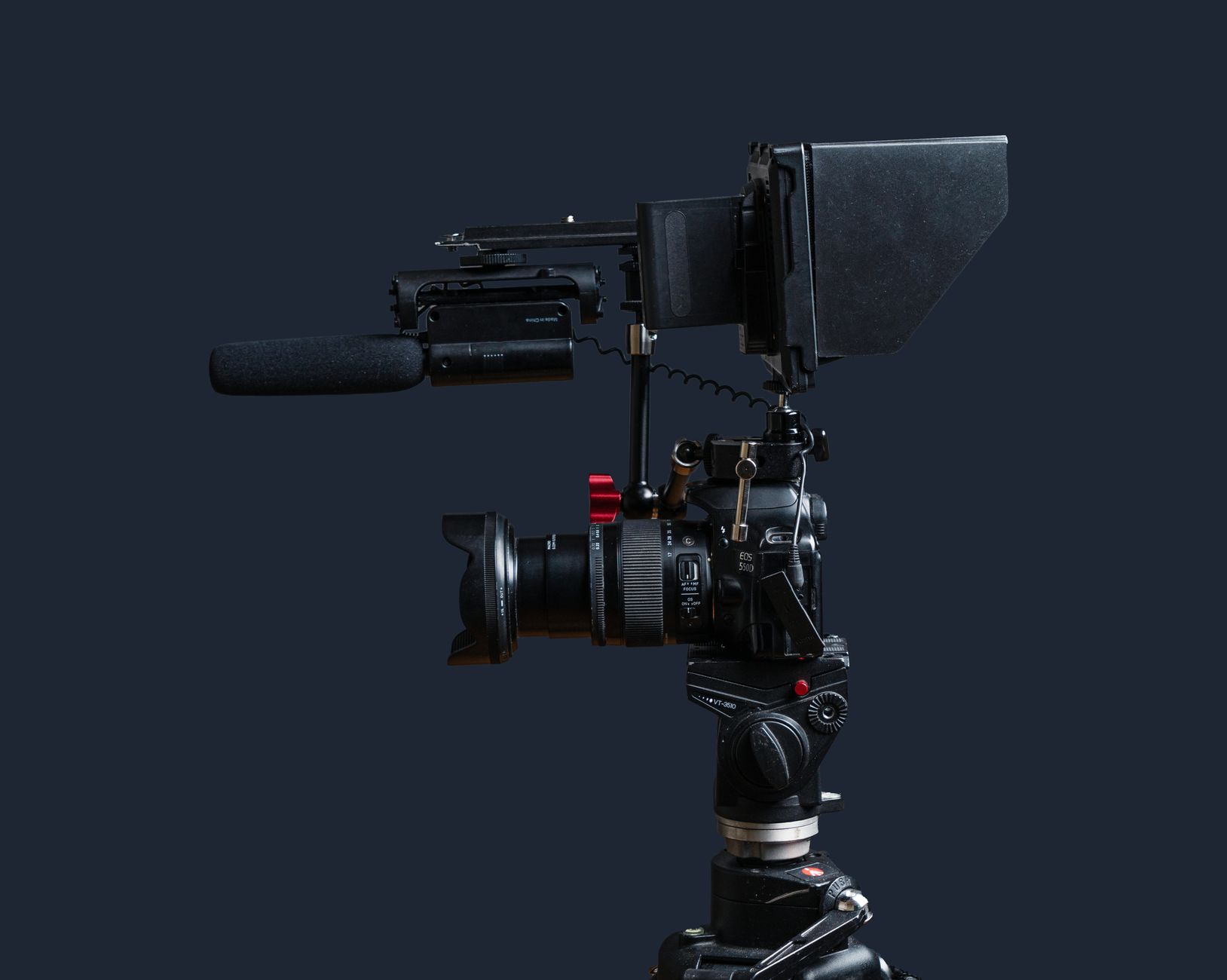
Photo by Иван Асташкин on Pexels
Both systems record 32-bit float audio directly to the transmitters. This format gives you vast dynamic range, so quiet whispers or sudden loud shouts will not ruin your audio files in editing.
The Røde Wireless PRO delivers a rich raw sound profile right out of the transmitter. It offers deep voice tones, though you may want a light high-end equalizer adjustment during video editing. The DJI Mic 2 outputs clear speech with a clean measured noise floor of -72 dB, compared to -65 dB on the Røde.
For loud outdoor environments, DJI includes a one-touch active noise cancellation (ANC) button on the transmitter. Røde does not offer active noise reduction inside the transmitter body. You must reduce background noise later using desktop editing tools.
If you pair your audio with sports footage using cameras like the ones featured in our Insta360 X4 vs. GoPro Hero 13 Black comparison, Røde's included locking lavaliers help keep the mic wire firmly attached during fast movements.
Warning: 32-bit float recording prevents digital clipping inside the file, but it cannot fix sound distortion if the source audio clips the physical mic capsule itself.
Build Quality, Display, and Case Usability
The user experience on camera sets varies significantly between these two receivers. DJI features a color touchscreen combined with a tactile control dial. You can quickly change gains, switch channels, or adjust screen brightness with one hand.
Røde uses button-hold combinations to change settings directly on the hardware. It can take longer to learn these short button shortcuts. However, Røde makes file transfers fast using the Røde Central desktop application. You simply plug the entire charging case into your laptop via USB-C to batch export your backup recordings.
DJI supports direct cable-free hot-shoe mounting for Sony cameras through an optional hot-shoe adapter. For headphone monitoring, DJI provides a dedicated 3.5mm headphone jack right on the receiver body, whereas Røde routes headphone monitoring through a shared audio cable port.
Tip: The DJI Mic 2 magnetic mounts are compact and handy for quick placement on shirts, but keep track of them when filming outside because small detachable magnets are easy to drop in grass.
Wireless Range and Latency Performance
In open spaces, both microphone kits send stable wireless signals back to their receiver units. They use digital transmission on standard 2.4 GHz frequencies.
Røde Wireless PRO achieves a ultra-low wireless latency of 6.3 milliseconds. This short delay keeps live monitor audio tight and avoids lip-sync gaps on live video streams. The DJI Mic 2 operates with a higher latency of 23 milliseconds. While 23 ms works fine for standard video edits, live broadcast streams benefit from Røde's tighter timing.
DJI offers extra versatility for mobile creators through direct Bluetooth connections. You can pair a transmitter straight to an Osmo Pocket 3 or smartphone without using the receiver box. However, connecting directly over Bluetooth turns off the onboard internal recording feature.
Common Mistakes to Avoid
- Expecting float audio to fix distorted capsules: If a loud burst overpowers the microphone element itself, 32-bit float cannot restore clear sound.
- Assuming DJI includes lapels: The base DJI Mic 2 package omits lavalier clip-on mics. Factor external lavaliers into your budget if you need them.
- Relying on Bluetooth internal backups: Direct Bluetooth connections on the DJI Mic 2 disable internal safety recordings. Use the physical receiver if you need backup safety tracks.
- Losing magnetic clips: DJI's small magnetic mounts stick well to light fabrics, but they can detach if caught on heavy coat zips or bag straps.
Which Wireless Mic System Should You Buy?
Bottom line Choose the Røde Wireless PRO if you edit multi-camera shoots, need timecode sync, or want bundled lavalier mics with 32 GB of backup memory. Choose the DJI Mic 2 if you want direct Bluetooth recording, single-tap noise cancellation, and a touchscreen interface for fast solo video production.
FAQ
Does the DJI Mic 2 sound better than the Røde Wireless PRO?
The Røde Wireless PRO delivers slightly richer raw sound depth off the capsule, while the DJI Mic 2 delivers clean dialogue with a lower background noise floor (-72 dB vs -65 dB).
Can you use 32-bit float recording directly to an iPhone with these microphones?
Yes, when you connect the receiver to an iPhone using a USB-C or Lightning cable, the transmitters record 32-bit float audio safety tracks inside their onboard memory.
Which mic system has better range through walls and outdoor interference?
Both systems deliver clear wireless performance in open line-of-sight environments. Heavy physical obstacles or dense Wi-Fi networks will reduce range on both 2.4 GHz systems similarly.
Do both systems come with Lavalier microphones included in the box?
No. The Røde Wireless PRO includes two locking Lavalier II lapel microphones, while the DJI Mic 2 requires buying clip-on lavalier accessories separately.
Sources
Facts in this article were checked against these pages on November 22, 2026:
- DJI Mic 2 vs Rode Wireless PRO - SoundGuys (soundguys.com)
- DJI Mic 2 Review vs. RODE Wireless PRO! (learnlightandsound.com)
- BEST Wireless Mic for Creators? | RODE Wireless Pro vs DJI Mic 2 (youtube.com)
- In-Depth Comparison: RODE Wireless Pro vs DJI Mic 2 for Audio Quality (youtube.com)
- DJI Mic 2 vs RODE Wireless Pro: Which Wireless Kit Wins (nomono.co)
- RØDE Wireless PRO vs DJI Mic 2: Avoid This Mistake (packapop.com)
How we researched this: this guide is based on current manufacturer information and reputable sources, listed in the Sources section above, and is updated when things change. Read our editorial policy.
Content Writter


Comments
No comments yet — be the first to share your thoughts.