
6 Common Portable Power Station Mistakes to Avoid
Learn how to avoid rapid battery degradation, inverter overloads, and phantom drain with your portable power station.

Quick answer Avoid common portable power station mistakes like confusing watt-hours with running watts, leaving the AC inverter on, and storing units at full charge in extreme temperatures to protect your battery health.
Portable power stations have become essential gear for camping trips, tailgating events, and emergency home backups. Modern units pack impressive lithium iron phosphate batteries and fast charging capabilities into compact boxes. Yet, many users run into frustrating problems simply because they treat these units like standard wall outlets or simple car batteries.
Using a battery generator incorrectly can shorten its lifespan, trip internal circuits, or leave you without power when you need it most. By learning a few operational habits and proper maintenance routines, you can get the most out of your investment and ensure dependable power.
Key takeaways
- Always distinguish between total capacity in watt-hours and continuous power output in running watts.
- Turn off the AC inverter when not in use to prevent silent phantom battery drain.
- Store lithium iron phosphate batteries around fifty to sixty percent charge in moderate temperatures.
- Keep continuous appliance loads well below the maximum rated capacity to account for startup surges.
Mistake 1: Confusing Watt-Hours with Running Watts
One of the most frequent errors beginners make is mixing up capacity and power output. Watt-hours measure the total energy tank size. Running watts measure how much continuous power the unit can deliver at one exact moment. A one-hundred watt-hour battery can supply one hundred watts for one hour, or fifty watts for two hours.
Many buyers assume that if a station has a large capacity, it can run any household appliance. However, if your appliance requires more continuous wattage than the inverter provides, the unit will shut down immediately. Always check both numbers before plugging in high-draw devices.
Mistake 2: Leaving the AC Inverter Turned On Continuously
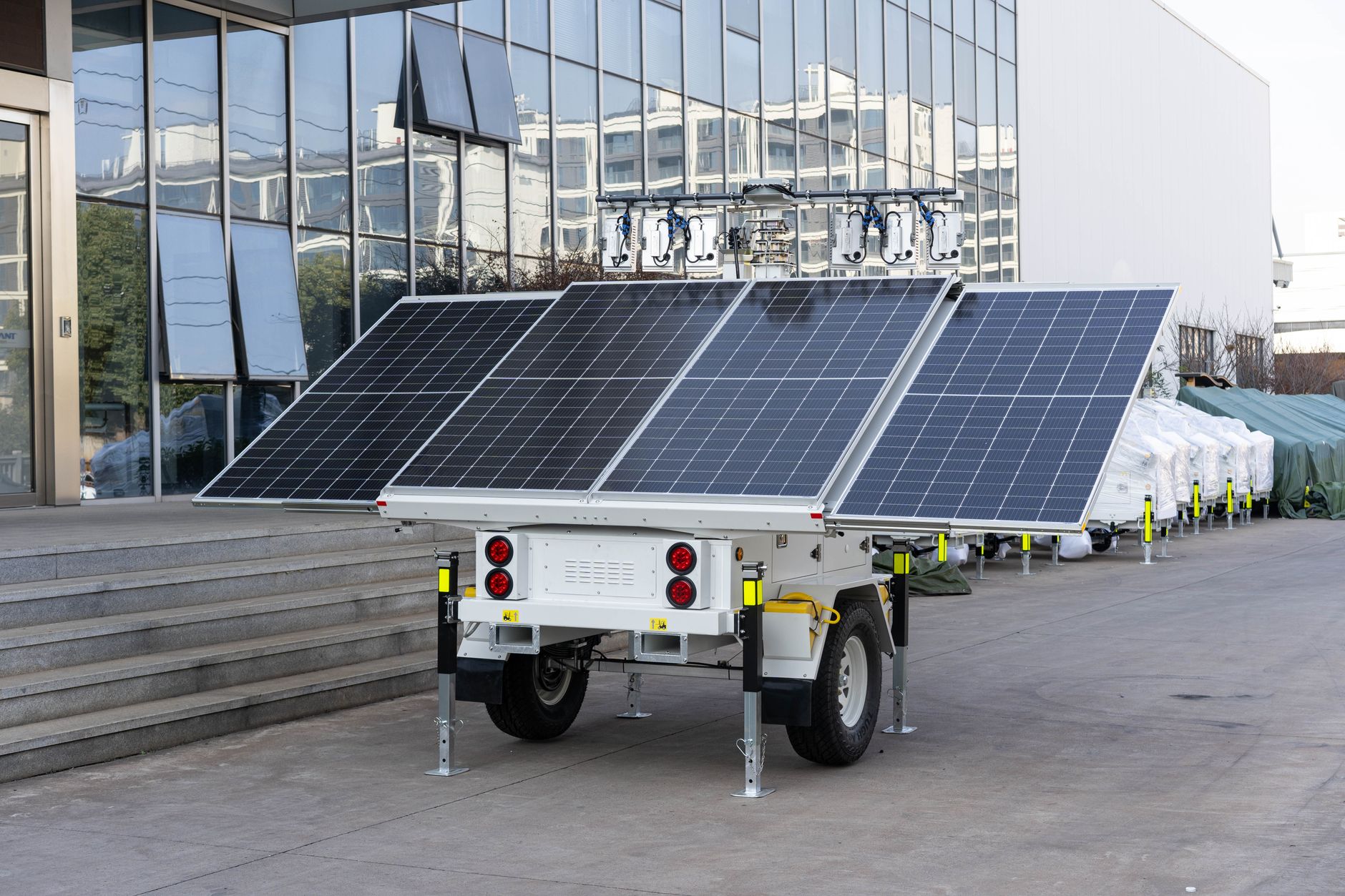
Photo by battery storage aokeepower on Pexels
Leaving the main alternating current inverter button turned on while the unit sits idle is a silent killer of battery life. The internal inverter draws a constant phantom load just by being active, even when nothing is plugged into the outlets. Over a weekend, this invisible drain can deplete a significant portion of your stored energy.
Modern power stations often feature companion apps or independent port controls. Use these features to manually toggle off the AC, USB-A, and USB-C sections when you finish charging your devices. This simple habit preserves your emergency reserves.
Tip: Always check the front display panel of your power station to ensure indicator lights for AC or DC outputs are turned off before packing the unit away.
Mistake 3: Storing the Battery at Full Charge in Extreme Heat or Cold
Lithium iron phosphate batteries naturally self-discharge by a small percentage each month during storage. Storing your power station at one hundred percent capacity in a hot garage or freezing shed accelerates chemical aging. Extreme heat degrades internal components, while freezing temperatures can trigger deep discharge voltage protection errors.
The ideal environment for long-term storage is a dry space kept between zero and forty degrees Celsius. Keep the battery level around fifty to sixty percent, and remember to plug it in every three to six months to top it off.
Mistake 4: Relying on Passthrough Charging with Heavy Inductive Loads
Passthrough charging allows you to charge your power station while simultaneously powering devices plugged into it. While convenient, pushing this feature to the limit with heavy inductive loads creates massive internal heat. Appliances containing motors, compressors, or heating elements often require a startup surge that far exceeds their running wattage.
A device rated at nine hundred watts continuous might surge up to fifteen hundred watts when it starts up. This sudden spike easily trips internal inverters. Apply the eighty percent rule by keeping your continuous load under eighty percent of the rated capacity to prevent thermal shutdowns.
Mistake 5: Using Undersized Cables and Incompatible Solar Panels
When charging your power station using solar panels, matching the voltage and amperage specifications is critical. Pairing the unit with mismatched panels or undersized extension cables reduces input efficiency and wastes valuable solar energy. Off-grid users and van lifers often rely on high solar input arrays, making correct cable sizing vital for safe operation.
Always consult your user manual for maximum solar voltage and current limits. Exceeding these limits can permanently damage the internal charge controller.
Mistake 6: Forgetting Real-World Inverter and Efficiency Conversion Losses
Theoretical math rarely matches real-world performance when calculating appliance runtimes. Converting direct current battery power into alternating current for standard household plugs incurs conversion losses. These losses typically consume ten to twenty percent of the total stored energy as heat.
If you have a five hundred watt-hour battery, you will not get a full five hours of runtime from a one hundred watt appliance. Always include a twenty to thirty percent buffer in your calculations to avoid running out of power unexpectedly.
Bottom line Portable power stations are reliable companions for outdoor adventures and emergencies when treated with care. By monitoring your loads, managing power ports, and storing the unit properly, you will avoid unexpected outages and extend the lifespan of your battery.
FAQ
Why does my portable power station drain even when nothing is plugged in?
Leaving the AC inverter active creates a constant phantom load that silently drains the battery over time. Always turn off individual port buttons when not in use.
Can I keep my portable power station plugged into the wall 24/7 as an emergency UPS?
While many modern units support continuous wall plugging for backup use, keeping a lithium battery at maximum charge constantly can reduce its long-term lifespan.
How do I calculate how long my power station will run a specific appliance?
Divide the watt-hour capacity of your station by the running wattage of your appliance, then subtract roughly twenty percent to account for conversion losses.
At what percentage should I store my portable power station when not in use?
Store your power station at a fifty to sixty percent charge level in a climate-controlled room and recharge it every three to six months.
Can any solar panel charge my portable power station?
No, you must ensure the open-circuit voltage and maximum current output of the solar panels fall within the exact operating limits specified by the power station manufacturer.
Sources
Facts in this article were checked against these pages on November 9, 2026:
- Portable Power Station Mistakes to Avoid (billionairetrd.com)
- 10 Mistakes to Avoid When Buying a Portable Power Station (bildpower.io)
- Camping Power Station Mistakes to Avoid: 7 Common Errors - Jackery (jackery.com)
- 7 Portable Power Station Buying Mistakes to Avoid (2026) (backuppowerhub.com)
- 5 Camping Power Station Mistakes to Avoid Before You Buy (ecoflow.com)
- What Should I Do When My Portable Power Station Shows an Error Code on the Display? - SUG New Energy Co., Ltd. (sugpower.com)
How we researched this: this guide is based on current manufacturer information and reputable sources, listed in the Sources section above, and is updated when things change. Read our editorial policy.
Content Writter




Comments
No comments yet — be the first to share your thoughts.