
Qi2 Wireless Charging Explained: What It Is and How It Works
Qi2 brings magnetic alignment and faster wireless charging speeds to both iPhone and Android. Here is how it works and what you need to upgrade.
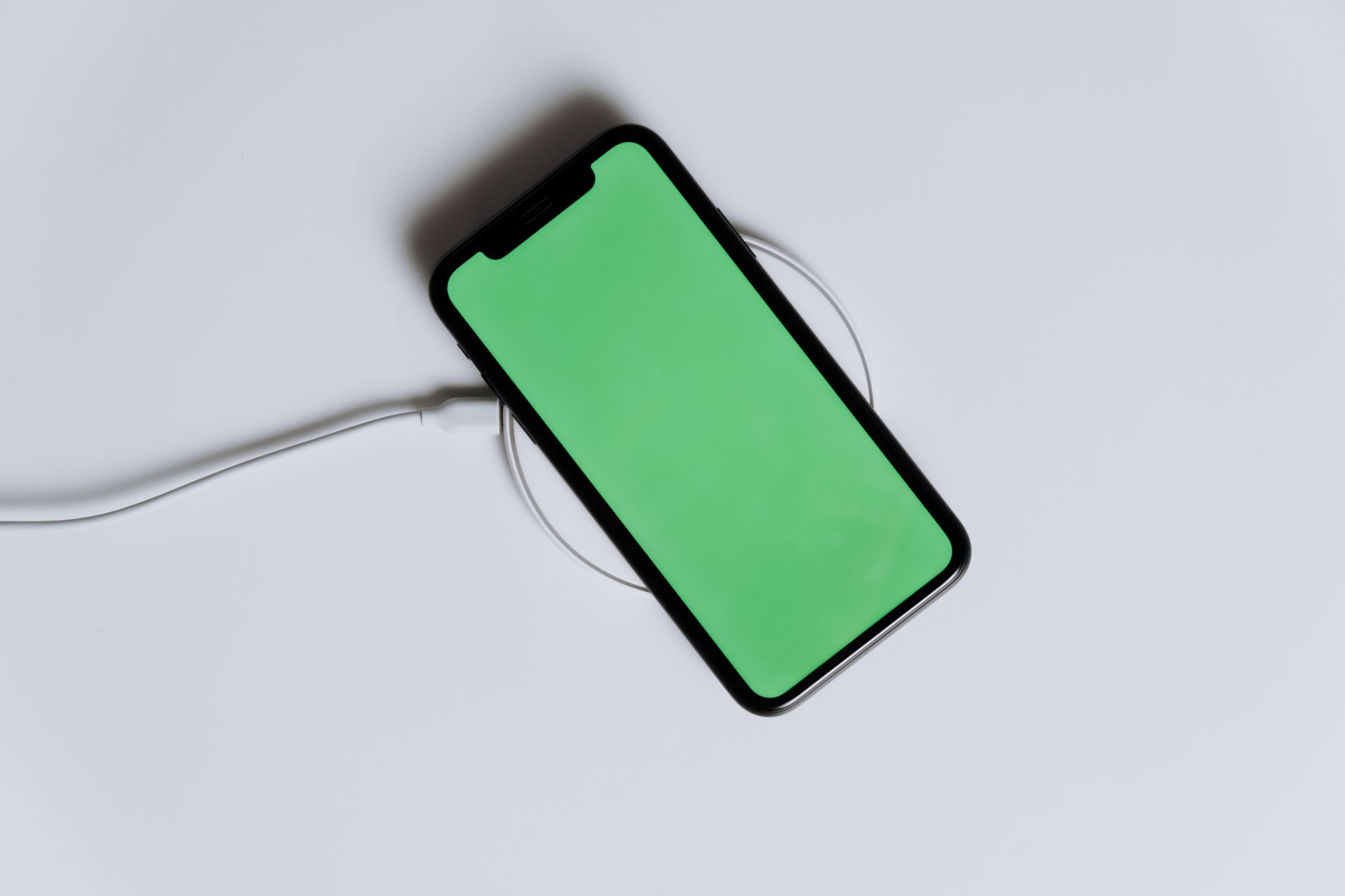
Quick answer Qi2 is an open, magnetic wireless charging standard developed by the Wireless Power Consortium that aligns your phone's charging coil perfectly using magnets, enabling efficient wireless power delivery up to 25W across both iPhone and Android devices.
Wireless charging used to be a frustrating game of millimeter precision. If you set your phone down slightly off-center on a charging pad, you woke up to a lukewarm phone and a drained battery. Heat built up, charging slowed to a crawl, and power was wasted.
Qi2 fixes this problem by introducing a built-in ring of magnets that snaps your phone directly into position every single time. Here is everything you need to know about how Qi2 wireless charging works, how it differs from Apple's MagSafe, and what equipment you need to make the most of it.
Key takeaways
- Qi2 uses magnetic alignment based on Apple's Magnetic Power Profile (MPP) technology to prevent misalignment and heat loss.
- Base Qi2 charges at 15W, while newer Qi2.2 accessories deliver up to 25W speeds for compatible phones.
- Because Qi2 is an open standard with no licensing fees, it works across both Apple iOS and Android hardware.
- Standard phone cases block magnetic alignment unless they include an integrated magnetic ring.
What Is Qi2 Wireless Charging?
Qi2 (pronounced "chee-two") is the current universal wireless charging standard managed by the Wireless Power Consortium (WPC). It replaces the original Qi standard introduced back in 2008, which relied on non-magnetic coil placement and capped basic power transfer around 5W to 7.5W.
Think of traditional wireless charging like attempting to pour water into a narrow bottle in the dark. If your aim is slightly off, water spills everywhere and gets wasted. Qi2 acts like a funnel that locks automatically onto the bottle opening, ensuring every drop goes straight into the target without mess or waste.
At its core, Qi2 uses electromagnetic induction. Inside the charger, a copper coil creates an alternating magnetic field. When you place your phone on the pad, its internal copper coil receives that field and converts it back into electrical current to charge the battery. What makes Qi2 special is the Magnetic Power Profile (MPP), a ring of magnets built surrounding the charging coils that snaps the charger into place.
How Qi2 Uses Magnets for Better Efficiency
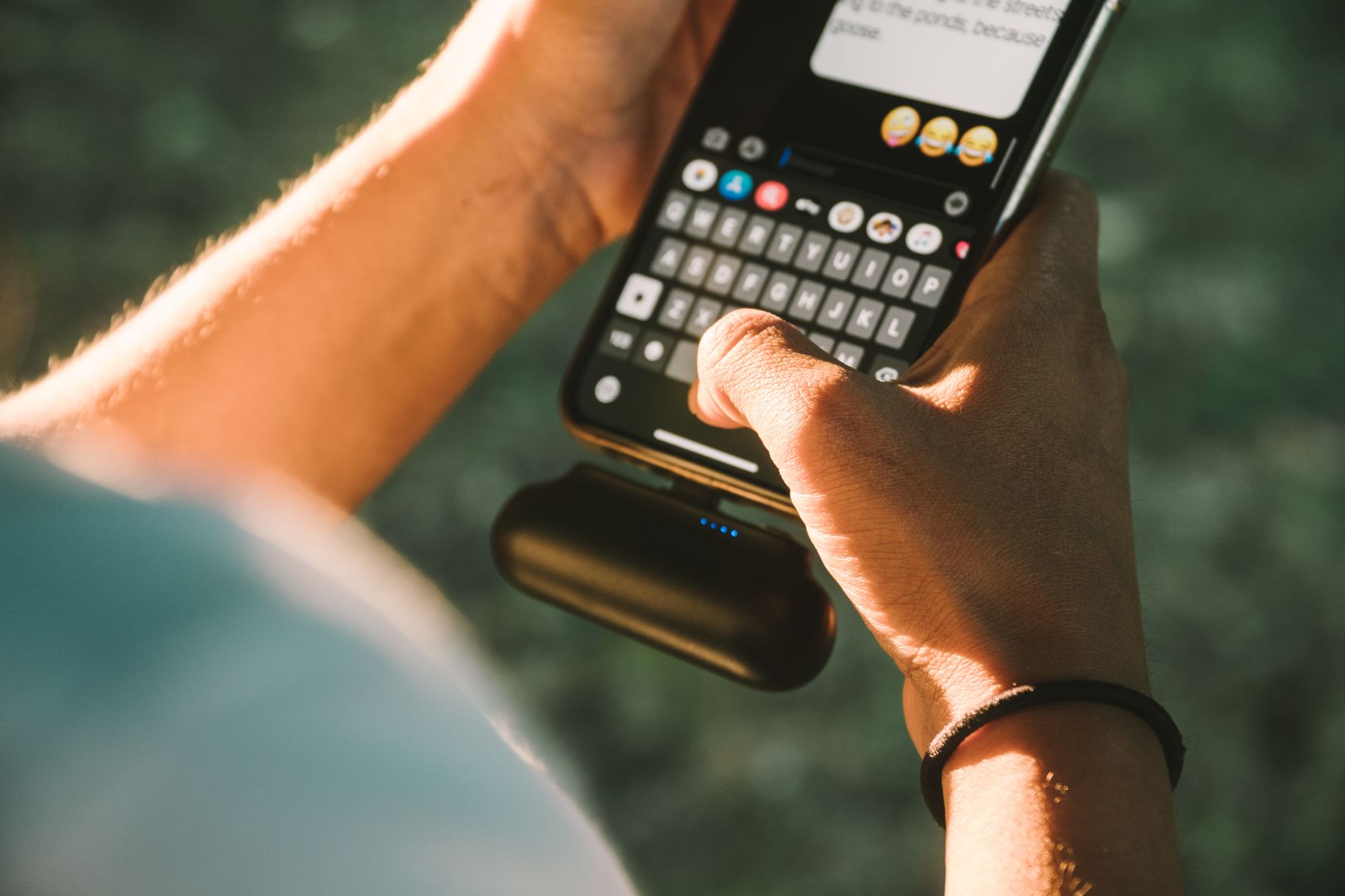
Photo by Karl Solano on Pexels
When charging coils align imprecisely, the extra energy does not simply vanish. Instead, it converts into excess heat. High heat degrades lithium-ion smartphone batteries over time and forces your phone to throttle charging speeds to protect its internal hardware.
By pulling the transmitter and receiver coils into alignment, Qi2 eliminates energy loss caused by poor placement. This accurate positioning keeps operating temperatures cooler, allowing the charger to sustain higher power delivery for longer periods without harming your phone battery.
Tip: If your current wireless charger leaves your phone hot to the touch while barely adding juice, coil misalignment is usually the culprit. Moving to a magnetic Qi2 stand or puck resolves this thermal bottleneck.
Qi2 vs. Apple MagSafe: What's the Difference?
Many buyers confuse Qi2 with Apple's MagSafe because they look and feel identical in daily use. The relationship between them is straightforward: Apple contributed its proprietary MagSafe magnetic alignment design to the WPC to serve as the foundation for Qi2.
Because the WPC turned this design into an open standard, manufacturer licensing costs were removed. That open approach allows third-party accessory makers to build magnetic chargers for Android devices and iPhones alike without paying proprietary royalty fees.
| Feature | Original Qi | Apple MagSafe | Qi2 / Qi2.2 |
|---|---|---|---|
| Magnetic Alignment | No | Yes | Yes (MPP) |
| Standard Output | 5W – 7.5W | 15W | 15W (Up to 25W on Qi2.2) |
| Platform Support | Universal | Apple iPhone | Universal (iOS & Android) |
| Licensing Type | Open | Proprietary | Open Standard |
Qi2 Charging Speeds and Supported Devices
Standard Qi2 hardware charges at up to 15W, which is double the speed of original non-magnetic Qi chargers. Updated Qi2.2 accessories push those power levels up to 25W, matching fast magnetic charging speeds for modern flagship devices like the iPhone 17 series.
Compact power banks, desktop mounts, and active-cooled car pads—such as ESR's CryoBoost lineup and MagSlim power banks—routinely adopt 25W Qi2 charging rates. However, achieving maximum speed requires an adequate wall plug. If you plug a 25W Qi2 pad into an older 5W wall adapter, power output will remain severely limited.
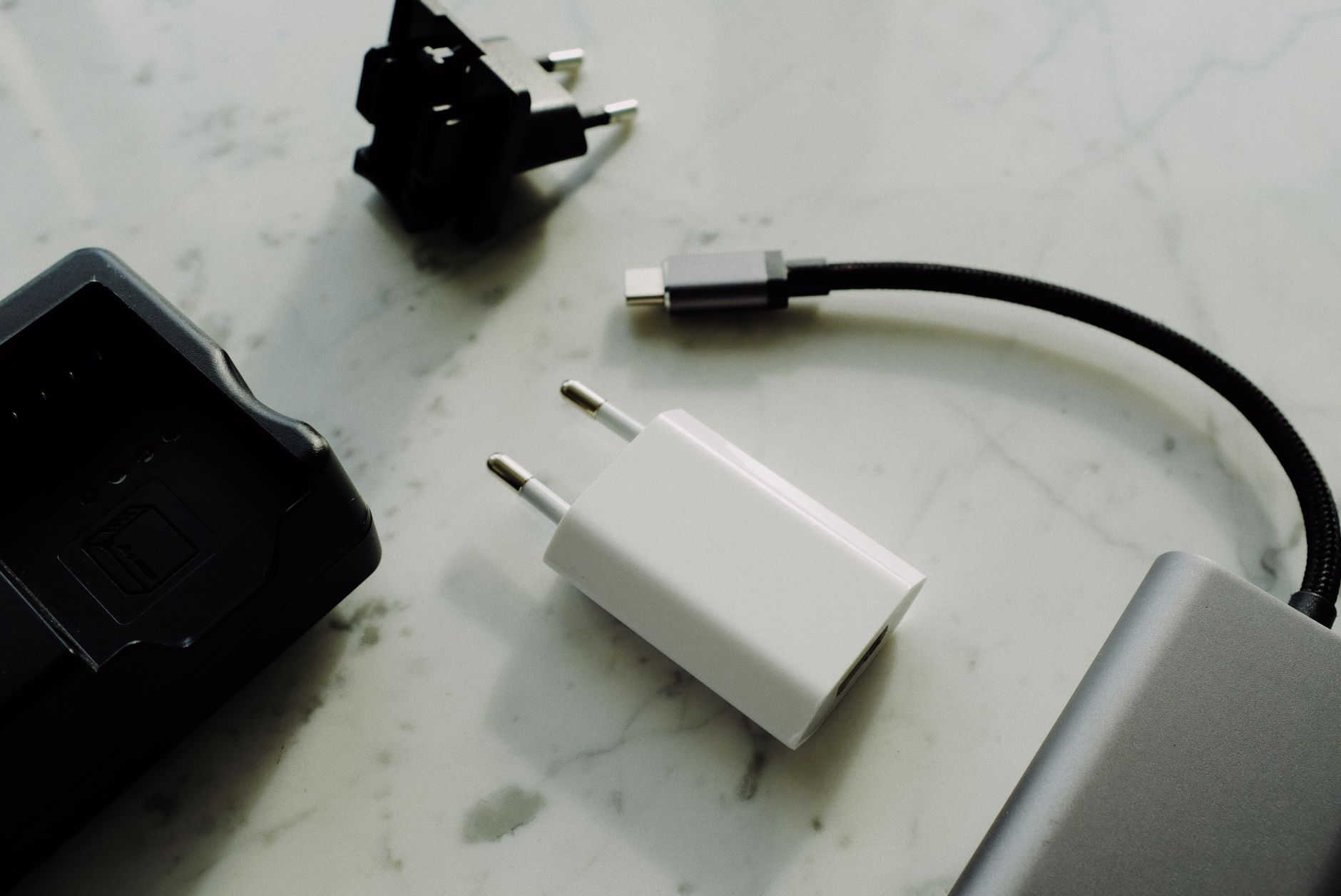
To get peak performance from your setup, ensure your wall power adapter supports modern power delivery protocols. You can read our detailed guide on USB-C charging speeds and cable standards to match the right adapter with your charger.
What You Need to Upgrade to Qi2 Charging
Upgrading your setup involves three core components: a compatible phone, a Qi2 charger, and a thin or magnetic-ready case.
- Compatible Smartphone: iPhones starting from the iPhone 13 series support Qi2 magnetic charging. Android phones can utilize Qi2 chargers natively if equipped with built-in magnets, or via external magnetic attachments.
- Qi2 Charger Puck or Stand: Look for official Qi2 certification on the packaging to guarantee proper thermal management and safety controls.
- Magnetic Case or Ring Adapter: A standard thick plastic case blocks magnetic attraction. You need a case with an integrated magnetic ring, or an stick-on magnetic ring adapter attached directly to your device or case exterior.
- Adequate Power Source: A USB-C wall charger rated for at least 20W (for 15W Qi2 pads) or 30W+ (for 25W Qi2.2 pads).
Pros
- Universal magnetic snapping across supported iOS and Android gear.
- Sustains higher charging speeds by reducing thermal buildup.
- Open standard prevents lock-in to proprietary ecosystem brands.
- Backwards compatible with older MagSafe accessories.
Cons
- Requires specialized magnetic cases on non-magnetic phone backs.
- Still slower overall than high-wattage wired USB-C connections.
- Thick metal or wallet cases block power transfer.
Common Qi2 Wireless Charging Misconceptions
Because Qi2 evolved rapidly from previous technologies, several myths persist about compatibility and performance.
Mistake 1: Assuming Qi2 is an Apple-Exclusive Technology
While Apple donated the core magnetic design, Qi2 is maintained by the Wireless Power Consortium as an open standard. It is engineered specifically for universal cross-platform use on both Android and iOS devices.
Mistake 2: Thinking Technical Updates Require Buying New Hardware
Minor technical spec updates—such as the Qi2 v2.3 revision—refine manufacturing magnet placement tolerances for factory assembly. They do not alter consumer power limits or invalidate existing chargers. If you already own a 15W or 25W Qi2 charger, you do not need to replace it when minor revision numbers update.
Mistake 3: Using Standard Thick Cases Without Magnetic Rings
Placing a heavy rubber or plastic protective case between your phone and a Qi2 pad weakens the magnetic bond. This distance misaligns the internal copper coils, dropping charging speeds and generating excessive heat. Always select a case explicitly labeled as magnetic or MagSafe-compatible.
Bottom line Qi2 is the best wireless charging option for anyone tired of slow speeds and misaligned charging pads. If you use a modern iPhone or an Android phone with a magnetic case, upgrading to a Qi2 pad offers cooler operation and dependable fast charging. Skip it only if you exclusively rely on high-speed wired USB-C cables for quick top-ups.
FAQ
Is Qi2 the same thing as Apple MagSafe?
Qi2 is built on Apple's MagSafe technology, but it is an open universal standard. MagSafe accessories and Qi2 chargers are inter-compatible, meaning you can place a Qi2 phone on a MagSafe pad and vice versa.
Does my Android phone support Qi2 wireless charging?
Any Android phone that supports wireless charging can use a Qi2 charger. However, to take advantage of the magnetic snapping alignment, your phone either needs built-in magnets or a phone case equipped with a magnetic ring adapter.
Can I use a Qi2 charger with an older iPhone?
Yes. Older iPhones with standard Qi wireless charging (like the iPhone 11 or iPhone X) can charge on a Qi2 pad, but they will charge at basic non-magnetic speeds unless placed in a special magnetic adapter case.
Does Qi2 charge as fast as a wired USB-C cable?
No. While Qi2.2 speeds reach up to 25W, direct USB-C cable connections remain faster and more energy-efficient. Qi2 prioritizes desk and bedside convenience over absolute wired charging speed.
Do I need a special phone case for Qi2 charging?
If you use a case, it must be thin enough to let the magnets catch or feature a built-in magnetic ring. Thick standard cases, metal plates, or pop-sockets disrupt the magnetic connection and stop wireless power transfer.
Sources
Facts in this article were checked against these pages on October 12, 2026:
- What is Qi2 wireless charging? Compare Qi, Qi2 & MagSafe | Zens (zens.tech)
- What Is Qi2? The Wireless Charging Standard Explained – MagBak (magbak.com)
- A Comprehensive Guide to Qi Wireless Charging - Anker US (anker.com)
- Qi2 Wireless Charging: Everything You Need to Know (2025) | WIRED (wired.com)
- What Is Qi2 Wireless Charging? Qi vs Qi2 vs MagSafe – RORRY (rorry.com)
- Qi technology: wireless charging explained simply (asaplastici.com)
How we researched this: this guide is based on current manufacturer information and reputable sources, listed in the Sources section above, and is updated when things change. Read our editorial policy.
Content Writter
Comments
No comments yet — be the first to share your thoughts.