
How to Fix an Xbox Controller That Won't Connect
Is your Xbox controller flashing or dropping connection? Follow this step-by-step troubleshooting guide to fix wireless, USB, Bluetooth, and firmware problems.
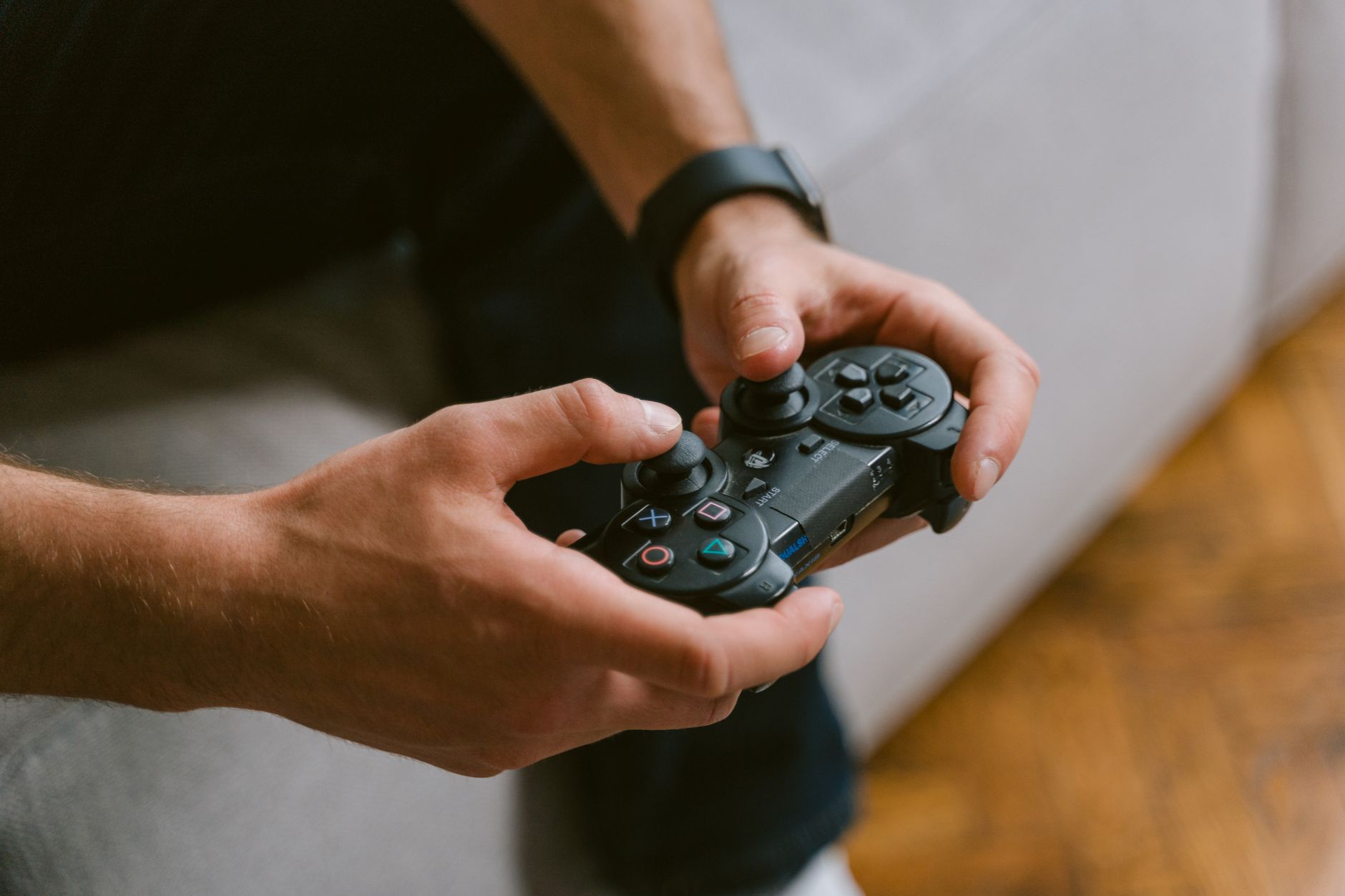
Quick answer If your Xbox controller won't connect, power cycle both your controller and console first. Remove the controller batteries for 10 seconds or hold its Xbox button for 10 seconds to turn it off. Next, press the sync button on your console and then on the controller within 20 seconds, or temporarily link them using a USB cable.
When an xbox controller won't connect, gaming comes to a sudden halt. Your controller might flash its logo light continuously, drop out during matches, or fail to register on your PC. These connection failures usually stem from low battery power, wireless signal blocks, corrupted firmware, or reaching console device limits.
This troubleshooting guide breaks down the cause of your connection issues and shows you how to fix them quickly. Whether you play on an Xbox Series X|S, Xbox One, or Windows PC, follow these practical steps to get back to your game.
Key takeaways
- Fresh batteries or a wired USB connection fix weak 2.4GHz wireless signal strength immediately.
- Disconnecting headsets before updating controller firmware prevents software update crashes.
- Xbox consoles support up to 8 wirelessly connected controllers at the same time.
- External USB hard drives and wireless keyboards plugged into your console can cause signal interference.
- Xbox Series X|S controllers use USB-C cables, while standard Xbox One controllers use Micro-USB.
Recognizing Common Connection Symptoms
Before jumping into hardware fixes, identify what your controller is doing. Different symptoms point to specific problems.
- Continuous flashing light: The controller is searching for a paired device but cannot find a active wireless signal.
- Flashes brief times then turns off: The battery level is too low to maintain power or complete the sync process.
- Random disconnections mid-game: Signal interference from nearby wireless devices or outdated controller firmware is interfering with communication.
- Solid light but no input response: The console temporary cache is holding onto invalid session data.
Quick Fixes: Power Cycling and Re-Syncing
The fastest way to resolve temporary sync errors is to force a complete restart of your hardware. This clears temporary memory glitches on both the controller and console.
Step 1: Power Cycle the Controller
- Press and hold the Xbox button on the front of the controller for 5 to 10 seconds until the light turns completely off.
- If you use AA batteries, open the back cover and pull out both batteries. Leave them out for 10 seconds.
- Reinsert the batteries or press the Xbox button again to turn the controller back on.
Step 2: Run the Hardware Re-Sync Protocol
- Turn on your Xbox console by pressing the front power button.
- Press and release the Sync button on your console. On Xbox Series X|S, it is near the front USB port. On Xbox One, it is on the side or front left corner.
- Within 20 seconds, press and hold the Sync button on the top edge of your controller next to the charging port.
- Hold the controller Sync button until the Xbox logo blinks rapidly. When it stays solid, pairing is complete.
Tip: If you miss the 20-second pairing window, the console stops searching for new signals. Simply press the console sync button again to restart the timer.
Troubleshoot Wireless Pairing and Signal Interference
Xbox controllers connect to consoles using a proprietary 2.4GHz Xbox Wireless signal. This frequency is shared by many common household gadgets. Nearby electronics can block or degrade this signal easily.
Weak controller batteries also cause signal loss. As battery charge drops, the internal wireless transmitter weakens long before the controller completely powers off. Replacing weak AA batteries with fresh ones often stops sudden disconnections immediately.
| Wireless Source | Impact Level | Recommended Action |
|---|---|---|
| Wi-Fi Routers | High | Move the router at least 3 to 5 feet away from the console. |
| External USB Hard Drives | Medium | Position external hard drives away from the front of the console. |
| Physical Obstacles | High | Remove glass doors, metal cabinets, or walls between you and the console. |
| Connected Peripherals | Medium | Unplug unused USB mice and keyboards from the console. |
Keep in mind that Xbox consoles support a maximum of 8 wirelessly connected controllers simultaneously. If you attempt to pair a 9th device, the sync process will fail. Turn off or disconnect an idle controller before adding a new one.
Remember that hardware range changes by controller generation. Older Xbox One controllers reach up to 19 feet unobstructed, while newer Xbox Series X|S controllers can operate up to 40 feet away in clear line-of-sight conditions.
Fix USB Cable and Wired Connection Problems
A direct cable link bypasses wireless signal problems entirely. Plugging your controller into the console automatically pairs the two devices without needing to press sync buttons.
- Check your controller generation to choose the correct cable. Xbox Series X|S controllers and the Xbox Adaptive Controller require a USB-C cable. Older Xbox One controllers require a Micro-USB cable.
- Plug one end of the cable directly into a free USB port on your Xbox console.
- Connect the other end to your controller.
- Press the Xbox button on the controller. The light should turn solid almost instantly.
- Once connected, you can unplug the cable to test if wireless play works again.
Warning: Not all cables transfer data. Charge-only USB cables power the controller light but cannot send button signals or complete pairing. Make sure to use a high-quality data-capable USB cable.
Update Controller Firmware via Console or PC App
Outdated or corrupted controller firmware causes unexpected wireless drops. Microsoft releases software updates to patch known communication bugs, such as signal drops found in older firmware builds like version 5.23.5.0.
Updating on an Xbox Console
- Connect your controller using a USB cable or ensure your wireless signal is stable.
- Disconnect all attached accessories from the controller, including headsets, chatpads, and audio adapters.
- Press the Xbox button on your controller to open the guide.
- Navigate to Profile & system > Settings > Devices & connections > Accessories.
- Select the controller you want to fix, then choose the ellipsis (...) button.
- Select Update now and follow the prompts. Do not unplug the controller until the screen shows the update is complete.
Updating on a Windows PC
- Open the Microsoft Store on your PC and install the official Xbox Accessories app.
- Plug your controller into the PC using a USB-C or Micro-USB data cable.
- Open the Xbox Accessories app.
- If an update is available, an Update Required prompt will appear on screen. Click it to initiate the process.
Clear Xbox Console Cache and Reset Connection Data
If your controller connects to other systems but refuses to work with your console, corrupted cache files may be blocking the connection. Performing a full power drain resets the internal wireless module on your console.
- Press and hold the power button on the front of your Xbox console for 10 seconds until the system shuts down completely.
- Unplug the power cable from the back of the console and from the wall outlet.
- Wait at least 30 to 60 seconds (up to 2 minutes) to allow residual board power to drain fully.
- Plug the power cord back into the wall and console.
- Turn the console back on and try pairing the controller again using the Sync button process.
Troubleshoot Bluetooth Connectivity Issues on Windows PC
Connecting an Xbox controller to a PC over Bluetooth involves different settings than pairing to a console. If you experience signal lag or dropped connections on PC, you might also want to review our guide on how to fix Bluetooth headphones audio delay on PC to optimize your overall desktop wireless setup.
- Verify your controller has Bluetooth support. Controllers with smooth plastic surrounding the Xbox logo use Xbox Wireless only. Controllers where the plastic around the Xbox button matches the faceplate housing support Bluetooth.
- Open Windows Settings on your PC and navigate to Bluetooth & devices.
- Turn Bluetooth off, wait 5 seconds, and turn it back on.
- If your controller is listed under paired devices, click the options menu next to it and select Remove device.
- Put your controller into pairing mode by holding its top Sync button until the Xbox logo flashes rapidly.
- Click Add device in Windows, select Bluetooth, and choose your Xbox Wireless Controller from the list.
Common Mistakes
Many players accidentally prolong connection issues by overlooking simple setup mistakes. Avoid these common traps:
- Leaving accessories attached during updates: Plugs for headsets or chatpads can crash the controller during a firmware update. Always remove them first.
- Plugging in hard drives next to receivers: Placing external USB 3.0 drives directly beside your console's front USB port creates heavy frequency noise. Move storage drives to rear ports if possible.
- Turning the console back on too quickly: Unplugging the power cord for only a few seconds does not clear the cache memory. Wait a full 60 seconds.
- Exceeding device limits: Attempting to sync a 9th wireless device without turning off an idle controller first will always cause pairing to fail.
Bottom line Most Xbox controller connection issues are solved by swapping out low batteries, running a complete console power cycle, or updating firmware through the Xbox Accessories app. If your controller flashes constantly across multiple consoles and PCs even when plugged in via a known good data cable, its internal hardware or USB port may be damaged. Check your warranty coverage online at xbox.com/controllerwarranty to request official repair or replacement.
Related guide: How to Fix a Nintendo Switch Dock Not Outputting to TV
Related guide: How to Fix an Xbox Elite Controller Paddle Not Registering
FAQ
Why is my Xbox controller flashing and not connecting?
A flashing Xbox logo means the controller is searching for a paired console or PC. This happens when the controller loses sync, weak batteries reduce signal strength, or nearby wireless devices cause signal interference.
How do I hard reset an Xbox controller?
Turn off the controller by pressing and holding the Xbox button for 10 seconds. Remove the battery pack for 10 seconds, then reinsert it. To clear sync memory completely, press and hold the Sync button on top until the controller vibrates twice.
Why won't my Xbox controller connect to my PC via Bluetooth?
This usually happens if Windows Bluetooth is glitching, the controller is still bound to an Xbox console, or your controller model lacks Bluetooth support. Remove the controller from your PC Bluetooth device list and re-pair it from scratch.
Can a corrupted firmware update break Xbox controller pairing?
Yes. Interrupting a firmware update—such as pulling out the cable or leaving a headset attached—can corrupt the controller software. Re-connect the controller to an Xbox console or PC via USB cable and run the update again using the Xbox Accessories app to repair the software.
Sources
Facts in this article were checked against these pages on November 16, 2026:
- How to Fix Xbox Controller Won't Connect to XBOX Console (100% Works) (youtube.com)
- Xbox One Controller Won't Connect: 10 Ways to Fix It (businessinsider.com)
- How to Fix Xbox Controller Not Connecting to Xbox Series X|S (youtube.com)
- How to troubleshoot a Xbox Wireless Controller | Microsoft (youtube.com)
- Xbox One Wireless Controller Troubleshooting - iFixit (ifixit.com)
- HOW TO FIX WIRELESS XBOX CON NOT CONNECTING (learn.microsoft.com)
How we researched this: this guide is based on current manufacturer information and reputable sources, listed in the Sources section above, and is updated when things change. Read our editorial policy.
Content Writter
Comments
No comments yet — be the first to share your thoughts.